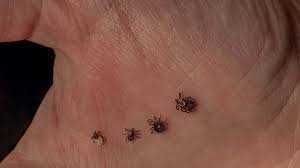
Ticks in Quebec: Is Your Area Now a High-Risk Zone for Lyme Disease?
For those who love exploring the breathtaking landscapes of Quebec, there is a hidden danger lurking in the brush. Recent data from the Institut national de santé publique du Québec (INSPQ) reveals a concerning trend: black-legged ticks—the primary carriers of Lyme disease—are expanding their territory across the province.
The Expansion of Tick-Infested Zones
The geographical footprint of the black-legged tick is growing. The INSPQ has officially expanded its surveillance zones to include more municipalities, signaling that areas previously considered safe are now under threat. Specifically, significant increases have been noted in the Capitale-Nationale and Chaudière-Appalaches regions.
According to Dr. Gabrielle Vermette, a public health and preventive medicine specialist, 51 new municipalities were added to the risk zone this year, bringing the total to 53. This means residents in the Appalaches and Lotbinière MRCs can no longer assume they are safe from tick bites and the subsequent risk of Lyme disease.
Why Being in a “Risk Zone” Matters
You might wonder why the official designation of a “risk zone” is important. In Quebec, living in a recognized high-risk area simplifies the medical response. If a resident is bitten by a tick and the parasite remains attached for more than 24 hours, they may be eligible to request preventive antibiotics directly from their pharmacist to stop the infection before it starts.
Understanding the Statistics
- n
- General Quebec Risk: Approximately 22% of tick bites in the province can lead to Lyme disease.
- Chaudière-Appalaches Risk: The rate is slightly lower, currently estimated at 10%.
n
n
Essential Prevention Tips for Outdoor Enthusiasts
While regions like Estrie, Outaouais, and Montérégie remain the most heavily affected, Dr. Vermette warns that vigilance is required everywhere. Ticks do not respect municipal borders.
To protect yourself and your family, follow these professional recommendations:
- n
- Dress Strategically: Wear long-sleeved shirts and long pants when walking through wooded or grassy areas. Tucking your pants into your socks can create a physical barrier.
- Conduct a Full-Body Check: As soon as you return home, perform a thorough check of your entire body, including the scalp, armpits, and behind the knees.
- Stay Informed: Visit the Health Canada Lyme Disease portal for the latest health advisories and symptoms to watch for.
n
n
n
Conclusion: Vigilance is Key
The spread of black-legged ticks is a reminder that our environment is constantly changing. Whether you are in a designated risk zone or not, the best defense is a proactive offense. Stay alert, dress appropriately, and act quickly if you spot a tick to ensure your outdoor adventures remain safe and enjoyable.