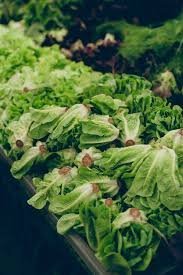
The Ultimate Guide to Lettuce: Boost Your Health with Every Bite
When you think of a fresh, vibrant salad, the first ingredient that comes to mind is likely lettuce. While often dismissed as a simple base for other ingredients, lettuce is actually a powerhouse of nutrition and versatility that deserves a spot in every health-conscious kitchen.
Whether you are a gourmet chef or someone just starting their journey toward a healthier diet, understanding the different types of lettuce and how to maximize their benefits can transform your meals.
Why Should You Eat More Lettuce?
Lettuce is more than just water and crunch. Depending on the variety, it offers a wealth of vitamins and minerals that support overall well-being. Here are some of the primary health benefits:
- n
- High Hydration: Since lettuce has a high water content, it helps keep your body hydrated, which is essential for skin health and organ function.
- Rich in Vitamin K: Essential for bone health and blood clotting, Vitamin K is found in abundance in darker leafy greens.
- Low Calorie, High Volume: It is an excellent choice for weight management, allowing you to eat satisfying portions without excessive caloric intake.
- Antioxidant Properties: Many varieties contain beta-carotene and other antioxidants that protect your cells from damage.
For a deeper dive into the nutritional science of leafy greens, you can explore the detailed guidelines provided by Healthline.
Exploring the Most Popular Types of Lettuce
Not all lettuce is created equal. Depending on the flavor profile and texture you desire, you can choose from several distinct categories:
1. Romaine Lettuce
Known for its sturdy ribs and crisp leaves, Romaine is the gold standard for Caesar salads. It is particularly rich in folate and Vitamin A.
2. Iceberg Lettuce
The ultimate “crunch factor.” While it has fewer nutrients than darker leaves, its refreshing taste and texture make it perfect for wraps and tacos.
3. Butterhead (Bibb/Boston)
As the name suggests, these have a soft, buttery texture and a mild flavor, making them ideal for delicate salads or as lettuce cups for appetizers.
4. Loose-Leaf Lettuce
Coming in various colors (green and red), these are versatile and provide a beautiful aesthetic to any bowl.
Pro Tips for Keeping Your Lettuce Fresh
There is nothing worse than a wilted salad. To ensure your lettuce stays crisp for longer, follow these simple storage hacks:
- Wash and Dry Thoroughly: Use a salad spinner to remove excess moisture, as damp leaves rot faster.
- The Paper Towel Trick: Place a clean paper towel inside your storage container or bag to absorb excess humidity.
- Avoid the Freezer: Lettuce should always be kept in the crisper drawer of your refrigerator, never in the freezer.
Conclusion
Integrating various types of lettuce into your daily diet is an easy and delicious way to increase your intake of essential nutrients. From the crunch of Iceberg to the richness of Romaine, there is a leaf for every palate.
Start experimenting with different combinations and dressings today to make your healthy eating journey more exciting!