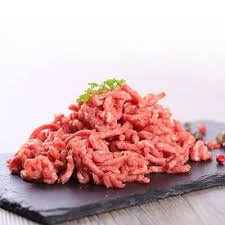
Elevating Your Dining Experience: The Art of Selecting Premium Meat
Whether you are planning a family Sunday roast or a sophisticated gourmet dinner, the quality of your meat is the foundation of a great meal. In Canada, we are fortunate to have access to some of the highest-quality proteins in the world, but knowing how to navigate the butcher counter can be daunting.
In this guide, we will explore how to identify premium cuts, the importance of sustainable sourcing, and how to ensure you are getting the best value for your money.
Understanding Meat Grades in Canada
When shopping for beef, you will often see grading systems. Understanding these helps you predict the tenderness and flavor of your purchase:
- n
- AAA Grade: The highest grade available in Canada, characterized by abundant marbling (intramuscular fat), which ensures maximum tenderness and juiciness.
- AA Grade: High quality with moderate marbling, excellent for most cooking methods.
- A Grade: Leaner meat, best suited for slow-cooking or stewing to maintain moisture.
Sustainable Sourcing: Grass-Fed vs. Grain-Fed
Modern consumers are increasingly conscious of where their food comes from. Choosing sustainable meat isn’t just about the environment; it often impacts the nutritional profile of the product.
Grass-Fed Beef: Often praised for having higher levels of Omega-3 fatty acids and Conjugated Linoleic Acid (CLA). It typically offers a more “earthy” and robust flavor.
Grain-Fed Beef: Generally results in more marbling and a consistent, buttery taste that is highly prized in steakhouses.
For more information on food safety and nutritional standards, you can refer to the Health Canada guidelines to ensure your dietary choices align with your wellness goals.
Expert Tips for Choosing the Perfect Cut
To get the most out of your meal, match the cut of meat to your cooking method:
- For Grilling: Opt for Ribeye or New York Strip. These cuts have the fat content needed to withstand high heat.
- For Slow Cooking: Choose Chuck Roast or Brisket. These tougher cuts contain connective tissue that breaks down over time, creating a melt-in-your-mouth texture.
- For Quick Searing: Filet Mignon is the gold standard for tenderness and a quick cook time.
Storage and Handling for Maximum Freshness
Once you’ve purchased your high-quality meat, proper handling is key to avoiding spoilage and maintaining flavor:
- Keep it Cold: Ensure your refrigerator is set to 4°C (40°F) or lower.
- Proper Wrapping: Use airtight containers or vacuum seals to prevent freezer burn.
- Thawing Correctly: Always thaw meat in the refrigerator, never on the counter, to prevent bacterial growth.
Conclusion
Investing in quality meat is an investment in your health and your culinary enjoyment. By paying attention to grading, sourcing, and proper preparation, you can transform a simple meal into a gourmet experience right in your own Canadian home.