The Invisible Crisis: Why Drug-Resistant Infections are Moving Beyond Hospital Walls
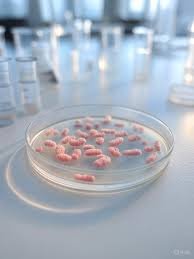
For years, the narrative surrounding drug-resistant infections has been confined to the sterile hallways of intensive care units and cancer wards. We were taught that “superbugs” were a hospital problem—a risk for the critically ill. However, a dangerous shift is occurring: antimicrobial resistance (AMR) is leaking out of clinical settings and embedding itself within our everyday communities.
From bustling urban centers to quiet suburbs, the boundary between high-risk medical environments and daily life is disappearing. This is no longer just a medical anomaly; it is a global public health emergency.
The Warning Sign: The Surge of Drug-Resistant Gonorrhoea
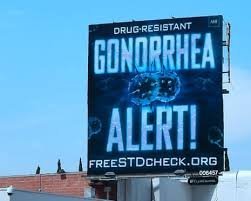
One of the most alarming examples of this trend is the unprecedented spike in drug-resistant gonorrhoea. In 2020 alone, there were approximately 82 million new cases globally. While many of these occurred in low- and middle-income countries (LMICs), the threat is universal.
Why should this concern everyone? Because it illustrates how effortlessly a drug-resistant infection can travel. Strains first detected in Cambodia have already surfaced in France and Australia. With Neisseria gonorrhoeae developing resistance to almost every available treatment, we are facing the terrifying possibility of a common STI becoming untreatable.
How AMR Spreads in a Hyper-Connected World
The speed of modern travel, migration, and global trade has turned the world into a highway for pathogens. Drug-resistant bacteria do not need a hospital bed to spread; they move through:
- n
- Routine Human Interaction: Simple social contacts in dense urban areas.
- Environmental Persistence: Bacteria surviving on surfaces and objects during international travel.
- Asymptomatic Colonization: People carrying resistant strains without knowing they are infected, acting as unwitting carriers.
This global circulation is particularly devastating in LMICs, where healthcare systems are already strained and surveillance is limited, making the impact of an untreatable infection far more severe.
The Danger Beyond the Clinic: MRSA and Vulnerable Populations
It isn’t just STIs. Methicillin-resistant Staphylococcus aureus (MRSA), once a hallmark of hospital-acquired infections, is increasingly found in everyday environments. For the general population, this is worrying; for vulnerable groups, such as cancer patients receiving outpatient care, it is lethal.
Studies show that pneumonia and other opportunistic infections in outpatient settings are becoming more frequent and harder to treat, significantly increasing mortality rates among those whose immune systems are already compromised.
Why the Commercial Model for Antibiotics is Failing
The current crisis is exacerbated by a failure in the pharmaceutical business model. Traditionally, research and development (R&D) are driven by profit. However, antibiotics are not “profitable” in the same way as chronic medication; they are used for short periods and new, more effective drugs often replace old ones quickly.
As a result, we are losing existing antibiotics faster than we are developing new ones. According to the World Health Organization (WHO), one in six bacterial infections is now resistant to first-line antibiotics.
A New Hope: Public Health Over Profit
To combat this, we need a paradigm shift. The development of zoliflodacin—a first-in-class antibiotic for multidrug-resistant gonorrhoea—offers a blueprint for the future. Developed through a not-for-profit model led by the Global Antibiotic Research & Development Partnership (GARDP), it prioritizes access and sustainable use over profit margins.
Treating antibiotics as global public health goods ensures that the most needed drugs reach the populations that need them most, regardless of their economic status.
Conclusion: A Tipping Point for Humanity
We have reached a critical juncture. With nearly 5 million AMR-related deaths annually—a number expected to rise by 70% by 2050—the cost of inaction is unthinkable. If we continue to ignore the spread of drug-resistant infections in our communities, we risk returning to a pre-antibiotic era where a simple scratch or a common infection could once again be a death sentence.
The fight against AMR requires global cooperation, better antibiotic stewardship, and a fundamental change in how we fund life-saving medicine. The walls of the hospital have already fallen; it is time we treat this as the community crisis it truly is.