The Unseen Threat Lurking in Our Coastal Waters
Imagine a sunny day on a white-sand beach. The water is warm, the breeze is salty, and the atmosphere is perfect for a dip in the ocean. But for some, this idyllic scene hides a microscopic predator. Scientists are increasingly concerned about Vibrio, a genus of bacteria that thrives in warm, brackish waters and is now expanding its territory further north than ever before—reaching the shores of Long Island and beyond.
While most Vibrio species are harmless, a few are deadly. Specifically, Vibrio vulnificus—often dubbed the “flesh-eating bacteria” by the media—can turn a simple scratch or a raw meal into a medical emergency within hours. As our oceans absorb the heat from greenhouse gas emissions, these bacteria are finding new, hospitable homes along the U.S. East Coast.
What Exactly is Vibrio and Why is it Dangerous?
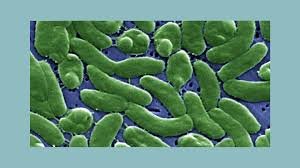
Vibrio bacteria are ancient marine organisms that attach themselves to plankton and algae. They are particularly concentrated in water-filtering shellfish like clams and oysters. There are two primary ways humans become infected:
- n
- Wound Exposure: Swimming in warm seawater with an open cut or scrape allows the bacteria to enter the bloodstream.
- Consumption: Eating raw or undercooked shellfish contaminated with the bacteria.
For the average healthy person, the risk is low. However, for those with liver disease, diabetes, or compromised immune systems, the results can be catastrophic. Without rapid treatment with powerful antibiotics, V. vulnificus can cause necrotic fasciitis, leading to tissue decay and, in severe cases, septic shock and death.
The Climate Connection: Why Long Island is Now at Risk
The spread of Vibrio is a biological barometer for climate change. Research indicates that temperature and salinity are the biggest predictors of bacterial growth. As coastal waters warm, the “northern boundary” of these infections is moving upward—approximately 30 miles per year since 1998.
This shift is bringing the risk directly to major population centers. In Long Island, the local oyster industry is caught in a difficult position. Oyster farmers, like Paul McCormick from East Moriches, emphasize that their products are safe thanks to strict CDC-aligned cooling protocols. However, the warming trend means that the environment the bacteria thrive in is becoming a year-round reality rather than a summer anomaly.
Predicting the Outbreak: A New Shield for Public Health
To combat this growing threat, researchers at the University of Florida and the University of Maryland are developing a sophisticated predictive modeling system. By combining satellite data on water temperature and salinity with historical illness records, they can now flag high-risk counties a month in advance.
This tool is a game-changer for emergency rooms and public health departments. By knowing when a spike in Vibrio is likely, doctors can diagnose these often-overlooked infections faster, potentially saving countless limbs and lives.
How to Stay Safe While Enjoying the Coast
You don’t have to stop enjoying the beach or eating seafood, but awareness is key. Here are a few essential safety tips:
- n
- Cover Your Wounds: If you have open cuts or scrapes, avoid swimming in brackish or warm coastal waters.
- Cook Your Shellfish: While raw oysters are a delicacy, cooking them kills Vibrio bacteria. Those at high risk should avoid raw shellfish entirely.
- Stay Informed: Keep an eye on local health advisories and beach warnings, especially after extreme weather events like hurricanes or heatwaves.
As we move further into the 21st century, the intersection of marine biology and climate science will become increasingly critical. The presence of Vibrio in Long Island waters is more than just a health warning—it is a signal that our oceans are changing, and we must adapt to survive.