The Genetic Leap: How Human ‘Jumping Genes’ Ended Up Inside a Virus
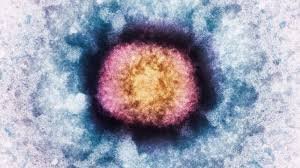
A Genetic Double Life: When Human DNA Migrates to a Virus
Imagine a piece of your own genetic code, designed to function within the complex network of your brain, suddenly deciding to relocate. Not just to another part of your genome, but across the biological boundary into a virus. This sounds like science fiction, but recent research has revealed that this is exactly what is happening in the human body.
Researchers have discovered that sequences from a specific human gene, known as BC200, have successfully migrated into the molluscum contagiosum virus—a pathogen responsible for causing small, raised lesions on the skin. This discovery challenges our understanding of genetic stability and the boundaries between host and parasite.
What is the BC200 Gene?
To understand this phenomenon, we first need to look at what BC200 actually is. Unlike most genes that provide instructions to build proteins, BC200 does something different: it produces a short RNA molecule. This molecule is incredibly abundant in neurons, where it is believed to help regulate protein production.
However, BC200 has a secret identity. It originated from a transposable element, often referred to as a “jumping gene.” These are mobile DNA sequences that can copy and paste themselves into new locations within the genome. Usually, when a jumping gene evolves to serve a specific cellular purpose, it loses its mobility. BC200, however, has managed to keep both: it performs a vital role in the brain while remaining capable of “jumping.”
How Did the DNA Transfer Occur?
The transfer of human DNA into a virus isn’t a common occurrence, but the researchers believe they’ve found the mechanism. Since BC200 doesn’t have its own transport machinery, it likely “hitched a ride” using another mobile genetic element called LINE-1.
LINE-1 acts as a molecular vehicle, capable of converting RNA into DNA and inserting it into a new genome. The evidence suggests two separate transfer events occurred, meaning the virus didn’t just take the gene once, but twice.
Key Findings of the Study
- Human-Specific Origin: The BC200 sequences were found in the molluscum contagiosum virus, which naturally infects only humans, confirming the host origin.
- Fragmented Copies: The virus didn’t acquire a complete, functional copy of the gene, but rather fragments of it.
- Evolutionary Movement: Analysis of 908 people showed that these genetic insertions vary between individuals, suggesting that this “jumping” activity is still happening today.
- Widespread Activity: Similar movements have been observed across primate evolution for millions of years.
Does This Make the Virus More Dangerous?
One of the most pressing questions is whether this genetic acquisition makes the virus more lethal or virulent. According to the study published in the prestigious journal Science, there is currently no evidence that the virus has become more dangerous.
While the virus can transcribe these human sequences into RNA—which could potentially help it manipulate the protein production of the infected cell—this theory still requires further testing. For now, the discovery is more about the mechanism of evolution than a new health threat.
The Big Picture: Flexible Genetic Boundaries
This research reveals that the line between functional genes and “junk” jumping DNA is much more flexible than previously thought. It proves that a genetic element can evolve a complex cellular role without giving up its nomadic nature.
As we continue to map the human genome and the viruses that interact with it, we are discovering that our DNA is not a static blueprint, but a dynamic, shifting landscape that occasionally leaks into the very pathogens that attack us.
📰 You May Also Like