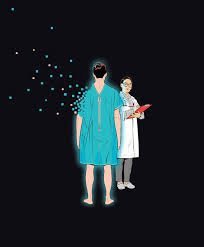
The Future of Medicine: How Innovation is Transforming Healthcare
Medicine is currently undergoing one of the most significant transformations in human history. We are moving away from a “one-size-fits-all” approach toward a more precise, data-driven, and patient-centric model. From the integration of artificial intelligence to the breakthroughs in genetic engineering, the landscape of modern medicine is evolving to save more lives and improve the quality of existence worldwide.
The Rise of Telemedicine and Digital Health
The accessibility of healthcare has been revolutionized by the digital era. Telemedicine is no longer just a convenience; it is a critical component of the global health infrastructure. By leveraging high-speed internet and mobile technology, patients in remote areas can now access world-class specialists without leaving their homes.
According to the World Health Organization (WHO), digital health interventions are key to achieving universal health coverage, reducing costs, and optimizing patient monitoring in real-time.
Artificial Intelligence (AI) in Diagnostics
One of the most exciting frontiers in medicine is the application of Artificial Intelligence. AI algorithms are now capable of analyzing medical images—such as X-rays, MRIs, and CT scans—with a precision that often rivals or exceeds that of human radiologists.
- n
- Early Detection: AI can identify early signs of oncology or cardiovascular diseases long before symptoms appear.
- Predictive Analytics: Big data allows doctors to predict potential outbreaks or patient declines based on historical health patterns.
- Drug Discovery: AI is drastically reducing the time and cost required to develop new pharmaceutical compounds.
Personalized Medicine: The Genetic Revolution
Perhaps the most profound shift is the move toward personalized medicine. Instead of treating a disease based on the average patient, doctors are now looking at the individual’s genetic makeup to tailor treatments.
Through genomic sequencing, healthcare providers can determine which medications will be most effective for a specific patient and which might cause adverse side effects. This precision approach is particularly transformative in oncology, where targeted therapies attack cancer cells while leaving healthy tissues untouched. For more detailed research on genomic medicine, the National Institutes of Health (NIH) provides extensive resources on how DNA sequencing is changing clinical practice.
Conclusion: A Healthier Tomorrow
The convergence of technology and biology is creating a new era of medical excellence. While challenges such as data privacy and ethical considerations remain, the potential to eradicate chronic diseases and extend the human healthspan is more tangible than ever.
As we embrace these innovations, the focus remains clear: combining the efficiency of technology with the empathy of human care to ensure a healthier future for everyone.