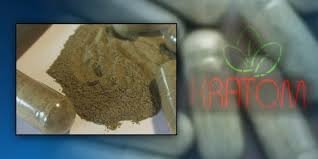
A Hidden Danger in Plain Sight: The Rise of Kratom in Schools
Parents in Genesee County, Michigan, are receiving a stark wake-up call. School districts are sounding the alarm over a growing threat that is easily accessible and dangerously addictive: Kratom, often referred to by health professionals as “gas station heroin.”
What starts as a curious “kick” or a trend among students is quickly turning into a medical crisis. From local convenience stores to school hallways, these substances are infiltrating youth circles, leading to alarming results.
What Exactly are Kratom and 7-OH?
Kratom is a tropical plant that produces psychoactive effects. However, a more potent derivative known as 7-hydroxymitragynine (7-OH) has become a major concern for educators and health experts. Because these products are often sold in gas stations—sometimes sitting right next to energy drinks—students can obtain them with ease.
According to Dr. James Hudgens, CEO of New Paths Behavioral Health and Recovery Center in Flint, the accessibility is the primary issue. He warns that while these products are intended for those over 18, the reality is that children are getting their hands on them in various forms, including:
- n
- Vape Pens: Discreet and easy to hide in classrooms.
- Pills: Often mistaken for supplements.
- Liquids: Mixed into drinks or sold as shots.
The Severe Health Risks: Beyond the Initial “Kick”
The danger is not theoretical. Dr. Hudgens reports that children in Genesee County have already ended up in the Emergency Room due to overdoses. Because Kratom is not currently regulated at the federal or state level, the purity and potency of these products are unknown, which significantly increases the risk of fatality.
For more information on the chemical properties and health warnings regarding these substances, you can visit the U.S. Food and Drug Administration (FDA) official website.
How Parents Can Help Their Kids Kick the Habit
Education is the most powerful tool for prevention. To ensure your children don’t fall victim to these substances, experts suggest the following strategies:
- Stay Vigilant: Periodically check your refrigerator and your child’s belongings for unfamiliar vapes or pill bottles.
- Open Communication: Talk to your children about the dangers of street trends. Often, students are more aware of new substances than adults are.
- Collaborate with Schools: Maintain a strong line of communication with teachers and school administrators to stay updated on local trends.
- Seek Professional Help: If you suspect your child is struggling, don’t hesitate to reach out to behavioral health centers.
The Legal Battle for Safety
Recognizing the urgency of the situation, the Michigan state House passed legislation in March aimed at banning the sale of Kratom products. The bill is currently under review in the state Senate, representing a critical step toward protecting the youth from unregulated and hazardous substances.
Stay informed and proactive. The goal is simple: to help our children stay healthy and kick the risk before it’s too late.