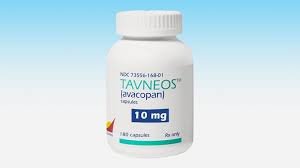
The Battle Over Tavneos: Can Amgen Save its Rare Disease Treatment?
In a high-stakes regulatory battle, Amgen Inc. has managed to secure an extension to keep selling Tavneos (avacopan), a medication designed to treat antineutrophil cytoplasmic autoantibody-associated vasculitis (AAV)—a rare and debilitating autoimmune disease. However, the drug’s future remains uncertain as the U.S. Food and Drug Administration (FDA) raises serious alarms regarding the integrity of the data that led to its approval.
The Core of the Controversy: Data Manipulation Allegations
The turmoil began when regulators alleged that the 2021 approval of Tavneos was based on manipulated data. The focus is on the pivotal phase 3 ADVOCATE study, which involved 331 patients with severe active AAV. Specifically, the FDA claims that the treatment response of nine patients was re-adjudicated after the database was locked and the trial was unblinded.
This adjustment allegedly allowed the company to claim a statistically superior outcome for sustained remission, which was the primary endpoint of the study. The implications are significant because the FDA relied heavily on this single study to justify the drug’s effectiveness.
A Global Wave of Skepticism
The concerns aren’t limited to the FDA. The medical community and international regulators are also pulling back:
- n
- NEJM Retraction: The New England Journal of Medicine (NEJM) retracted its 2021 publication of the ADVOCATE results after authors revealed that primary endpoint assessments were changed without their knowledge.
- EMA Recommendation: In Europe, the European Medicines Agency (EMA) has already recommended that Tavneos be removed from the market, advising that no new patients start the therapy.
Safety Concerns: Beyond the Data
Aside from the dispute over efficacy, safety risks have emerged. The FDA issued a public alert regarding severe liver injuries associated with Tavneos, including a rare but serious condition known as vanishing bile duct syndrome. This has prompted clinicians to carefully re-evaluate whether the benefits of the drug outweigh the risks for their specific patients.
The Human Element and the Path Forward
Despite the regulatory pressure, Amgen argues that Tavneos provides a critical lifeline for patients with AAV, a condition with very few treatment options. The company maintains that there are “substantial issues of material fact” regarding the FDA’s withdrawal proposal.
Adding to the complexity, the Vasculitis Foundation and numerous patients have urged the FDA to keep the drug available, citing significant improvements in their quality of life while on the medication.
What Happens Next?
The clock is ticking, but Amgen has bought some time. The FDA has extended the deadline for the company to respond to the formal withdrawal request to July 29, 2026. Until then, the medical world will be watching closely to see if Tavneos remains a viable option or becomes a cautionary tale of pharmaceutical data integrity.