A Giant Leap for Global Health: Boosting Vaccine Sovereignty in Africa
In a decisive move to safeguard the health of future generations, the board of Gavi, the Vaccine Alliance, has approved an additional $189 million dedicated to sustainable vaccine manufacturing across Africa. This strategic investment is not just about funding; it is about building resilience, enhancing supply chain security, and ensuring that life-saving immunizations are accessible to those who need them most.
Saving Millions of Lives: The Gavi 6.0 Vision
This funding is a cornerstone of the new Gavi 6.0 strategy (2026-2030). The alliance has set ambitious and vital targets to reshape the landscape of public health in Africa. By localizing production, Gavi aims to:
- n
- Reach 500 million additional children with essential vaccines.
- Prevent between 8 to 9 million deaths caused by vaccine-preventable diseases.
- Reduce under-five mortality by a further 10%.
- Unlock over $100 billion in economic benefits by creating a healthier, more productive workforce.
Prioritizing Global Healthcare Security
Helen Clark, Chair of the Gavi board, emphasized that the world must treat vaccines as a primary pillar of global security. During a recent high-level meeting, she noted that the progress made over the last five years proves that sustained political and financial commitment to immunizations can dismantle systemic barriers that have historically left the most vulnerable populations behind.
“The world must continue to prioritize vaccines as one of the most cost-effective investments we can make towards our health, security, and prosperity,” stated Ms. Clark.
Innovation and Ownership: The Path Forward
Beyond the financial injection, Gavi is introducing structural changes to ensure that immunisation programmes are sustainable and transparent. A key focus is country ownership, allowing nations to take the lead in their own health budgets and preventive campaigns.
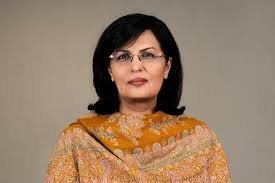
Sania Nishtar, CEO of Gavi, highlighted a critical operational upgrade: the mandate for digital payments for health workers. This transition is expected to eliminate fund misuse and ensure that the frontline heroes of public health are paid fairly and on time, thereby strengthening the delivery of vaccines in remote areas.
Why This Matters for the World
The push for sustainable manufacturing in Africa reduces the continent’s reliance on volatile global import markets. By empowering local production, the world becomes better equipped to handle future pandemics and outbreaks. For more information on global immunization standards, you can visit the World Health Organization (WHO) or explore the official initiatives at Gavi, the Vaccine Alliance.