Pennsylvania Measles Outbreak: Why Experts Are Alarmed by ‘New Forms’ of the Virus
The public health landscape in the United States is facing a critical challenge. A significant Pennsylvania measles outbreak is not only accelerating but is manifesting in ways that have left medical professionals stunned. While official dashboards provide one narrative, doctors on the ground and former health officials are warning that the reality is far more severe.
The CDC Death Count Controversy
At the center of the current crisis is a heated debate regarding transparency and data. The Centers for Disease Control and Prevention (CDC) is currently facing scrutiny for refusing to count four measles-related deaths in Pennsylvania. This discrepancy has prompted members of Congress to request an immediate briefing, as the reporting methods for measles deaths have shifted just as cases hit levels not seen in decades.
Debra Houry, a former CDC chief medical officer, has described the delay in reporting these deaths as “curious,” noting that state investigations had already concluded. This lack of official acknowledgement has created a rift between state-level findings and federal reporting.
A Rare and Dangerous Shift: Congenital Measles
Perhaps the most concerning aspect of the Pennsylvania measles surge is the emergence of congenital measles. Dr. John Goldman, an infectious disease specialist at the University of Pittsburgh Medical Center, reports that doctors are now treating newborns who contracted the virus in utero or at the moment of birth.
- n
- What is it? Congenital measles occurs when the virus affects a fetus or newborn.
- Why now? Historically, this was rare because most pregnant individuals were protected by prior vaccines or childhood immunity.
- The Risk: Because this form of the disease is so rare in the modern era, medical professionals have limited data on long-term outcomes.
The Under-Counting Crisis
While Pennsylvania has officially reported 731 cases, experts believe this is a significant undercount. Many patients arrive at hospitals mentioning that family members are also sick, but those individuals often remain untested at home. This “invisible” spread makes contact tracing nearly impossible and increases the likelihood of further community transmission.
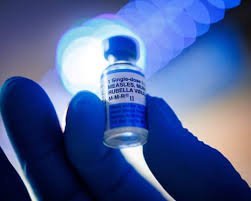
The statistics are sobering: on average, one in five people hospitalized with measles face severe complications, and one to three people per 1,000 cases die from the disease. When compared to the extremely rare severe side effects of vaccines (approximately 1-2 per million), the risk of the virus far outweighs the risk of immunization.
Political Tension vs. Public Health
The crisis has become intertwined with political friction. Reports suggest that HHS Secretary Robert F. Kennedy Jr. has expressed doubt over the Pennsylvania deaths, potentially influencing the CDC’s tally. While the CDC Director, Erica Schwartz, denies political interference, critics argue that focusing on the “definition” of a measles death rather than the outbreak itself is a dangerous distraction.
The ‘Canary in the Coal Mine’
Pennsylvania’s Department of Health has responded aggressively, launching over 100 pop-up clinics to increase vaccination rates. However, the broader implication is a warning for the entire nation. Dr. Goldman describes this outbreak as the “canary in the coal mine,” fearing that a drop in vaccine confidence could lead to the return of other eradicated or controlled diseases, such as polio, diphtheria, and whooping cough.
For more information on how to protect your family, visit the World Health Organization (WHO) guidelines on immunization.