For more information on vaccination schedules and recommendations, please visit the Centers for Disease Control and Prevention (CDC) website. The World Health Organization (WHO) also provides comprehensive information on measles globally.
The most effective way to prevent measles is through vaccination. The measles, mumps, and rubella (MMR) vaccine is highly safe and effective. The CDC recommends that children receive two doses of the MMR vaccine: the first at 12-15 months of age and the second at 4-6 years of age. Adults who have never been vaccinated or who are unsure of their vaccination status should also get vaccinated.
For more information on vaccination schedules and recommendations, please visit the Centers for Disease Control and Prevention (CDC) website. The World Health Organization (WHO) also provides comprehensive information on measles globally.
Why is Measles Resurging?
Several factors contribute to the recent resurgence of measles, including:
- Decreasing Vaccination Rates: Misinformation about vaccines and declining vaccination rates in some communities are major drivers of outbreaks.
- Travel: International travel can bring the virus into areas with low immunity.
- Vaccine Hesitancy: Concerns, often unfounded, about vaccine safety contribute to parents delaying or refusing vaccination for their children.
Addressing these factors through public health education, increased vaccination access, and combating misinformation is crucial to protecting communities from this preventable disease.
Measles is incredibly contagious. The virus can live in the air for up to two hours after an infected person coughs or sneezes. An infected person is contagious from four days before the rash appears to four days after. This high level of contagiousness is why vaccination is so vital.
Prevention: The Power of Vaccination
The most effective way to prevent measles is through vaccination. The measles, mumps, and rubella (MMR) vaccine is highly safe and effective. The CDC recommends that children receive two doses of the MMR vaccine: the first at 12-15 months of age and the second at 4-6 years of age. Adults who have never been vaccinated or who are unsure of their vaccination status should also get vaccinated.
For more information on vaccination schedules and recommendations, please visit the Centers for Disease Control and Prevention (CDC) website. The World Health Organization (WHO) also provides comprehensive information on measles globally.
Why is Measles Resurging?
Several factors contribute to the recent resurgence of measles, including:
- Decreasing Vaccination Rates: Misinformation about vaccines and declining vaccination rates in some communities are major drivers of outbreaks.
- Travel: International travel can bring the virus into areas with low immunity.
- Vaccine Hesitancy: Concerns, often unfounded, about vaccine safety contribute to parents delaying or refusing vaccination for their children.
Addressing these factors through public health education, increased vaccination access, and combating misinformation is crucial to protecting communities from this preventable disease.
It’s crucial to remember that measles can lead to serious complications, including pneumonia, encephalitis (inflammation of the brain), and even death. Complications are more common in young children, adults, and people with weakened immune systems.
How Does Measles Spread?
Measles is incredibly contagious. The virus can live in the air for up to two hours after an infected person coughs or sneezes. An infected person is contagious from four days before the rash appears to four days after. This high level of contagiousness is why vaccination is so vital.
Prevention: The Power of Vaccination
The most effective way to prevent measles is through vaccination. The measles, mumps, and rubella (MMR) vaccine is highly safe and effective. The CDC recommends that children receive two doses of the MMR vaccine: the first at 12-15 months of age and the second at 4-6 years of age. Adults who have never been vaccinated or who are unsure of their vaccination status should also get vaccinated.
For more information on vaccination schedules and recommendations, please visit the Centers for Disease Control and Prevention (CDC) website. The World Health Organization (WHO) also provides comprehensive information on measles globally.
Why is Measles Resurging?
Several factors contribute to the recent resurgence of measles, including:
- Decreasing Vaccination Rates: Misinformation about vaccines and declining vaccination rates in some communities are major drivers of outbreaks.
- Travel: International travel can bring the virus into areas with low immunity.
- Vaccine Hesitancy: Concerns, often unfounded, about vaccine safety contribute to parents delaying or refusing vaccination for their children.
Addressing these factors through public health education, increased vaccination access, and combating misinformation is crucial to protecting communities from this preventable disease.
The symptoms of measles typically appear 10-14 days after exposure to the virus and progress in stages:
- Initial Stage (2-3 days): High fever (often exceeding 104°F), cough, runny nose (coryza), and red, watery eyes (conjunctivitis). These symptoms can mimic a common cold.
- Koplik’s Spots (2-3 days): Tiny white spots with bluish-white centers on a red background appear inside the mouth. These are a hallmark sign of measles and appear before the rash.
- Rash Stage (3-5 days): A red, blotchy rash begins on the face and spreads downward to the rest of the body. The rash may be slightly raised and can merge together.
It’s crucial to remember that measles can lead to serious complications, including pneumonia, encephalitis (inflammation of the brain), and even death. Complications are more common in young children, adults, and people with weakened immune systems.
How Does Measles Spread?
Measles is incredibly contagious. The virus can live in the air for up to two hours after an infected person coughs or sneezes. An infected person is contagious from four days before the rash appears to four days after. This high level of contagiousness is why vaccination is so vital.
Prevention: The Power of Vaccination
The most effective way to prevent measles is through vaccination. The measles, mumps, and rubella (MMR) vaccine is highly safe and effective. The CDC recommends that children receive two doses of the MMR vaccine: the first at 12-15 months of age and the second at 4-6 years of age. Adults who have never been vaccinated or who are unsure of their vaccination status should also get vaccinated.
For more information on vaccination schedules and recommendations, please visit the Centers for Disease Control and Prevention (CDC) website. The World Health Organization (WHO) also provides comprehensive information on measles globally.
Why is Measles Resurging?
Several factors contribute to the recent resurgence of measles, including:
- Decreasing Vaccination Rates: Misinformation about vaccines and declining vaccination rates in some communities are major drivers of outbreaks.
- Travel: International travel can bring the virus into areas with low immunity.
- Vaccine Hesitancy: Concerns, often unfounded, about vaccine safety contribute to parents delaying or refusing vaccination for their children.
Addressing these factors through public health education, increased vaccination access, and combating misinformation is crucial to protecting communities from this preventable disease.
Measles (rubeola) is caused by the measles virus. It’s characterized by a distinctive, widespread rash and is spread through respiratory droplets produced when an infected person coughs or sneezes. Before the introduction of the measles vaccine in 1963, nearly all children contracted the disease. While the vaccine dramatically reduced incidence, outbreaks continue to occur, particularly in communities with low vaccination rates.
Recognizing the Symptoms
The symptoms of measles typically appear 10-14 days after exposure to the virus and progress in stages:
- Initial Stage (2-3 days): High fever (often exceeding 104°F), cough, runny nose (coryza), and red, watery eyes (conjunctivitis). These symptoms can mimic a common cold.
- Koplik’s Spots (2-3 days): Tiny white spots with bluish-white centers on a red background appear inside the mouth. These are a hallmark sign of measles and appear before the rash.
- Rash Stage (3-5 days): A red, blotchy rash begins on the face and spreads downward to the rest of the body. The rash may be slightly raised and can merge together.
It’s crucial to remember that measles can lead to serious complications, including pneumonia, encephalitis (inflammation of the brain), and even death. Complications are more common in young children, adults, and people with weakened immune systems.
How Does Measles Spread?
Measles is incredibly contagious. The virus can live in the air for up to two hours after an infected person coughs or sneezes. An infected person is contagious from four days before the rash appears to four days after. This high level of contagiousness is why vaccination is so vital.
Prevention: The Power of Vaccination
The most effective way to prevent measles is through vaccination. The measles, mumps, and rubella (MMR) vaccine is highly safe and effective. The CDC recommends that children receive two doses of the MMR vaccine: the first at 12-15 months of age and the second at 4-6 years of age. Adults who have never been vaccinated or who are unsure of their vaccination status should also get vaccinated.
For more information on vaccination schedules and recommendations, please visit the Centers for Disease Control and Prevention (CDC) website. The World Health Organization (WHO) also provides comprehensive information on measles globally.
Why is Measles Resurging?
Several factors contribute to the recent resurgence of measles, including:
- Decreasing Vaccination Rates: Misinformation about vaccines and declining vaccination rates in some communities are major drivers of outbreaks.
- Travel: International travel can bring the virus into areas with low immunity.
- Vaccine Hesitancy: Concerns, often unfounded, about vaccine safety contribute to parents delaying or refusing vaccination for their children.
Addressing these factors through public health education, increased vaccination access, and combating misinformation is crucial to protecting communities from this preventable disease.
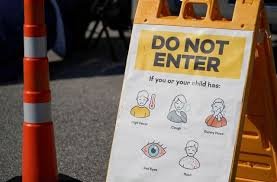
Measles, a highly contagious viral infection, is unfortunately experiencing a global resurgence. Once considered largely eradicated thanks to widespread vaccination, the disease is now posing a renewed threat to public health. This article delves into the intricacies of measles – its symptoms, how it spreads, effective prevention strategies, and the reasons behind its alarming return.
What is Measles?
Measles (rubeola) is caused by the measles virus. It’s characterized by a distinctive, widespread rash and is spread through respiratory droplets produced when an infected person coughs or sneezes. Before the introduction of the measles vaccine in 1963, nearly all children contracted the disease. While the vaccine dramatically reduced incidence, outbreaks continue to occur, particularly in communities with low vaccination rates.
Recognizing the Symptoms
The symptoms of measles typically appear 10-14 days after exposure to the virus and progress in stages:
- Initial Stage (2-3 days): High fever (often exceeding 104°F), cough, runny nose (coryza), and red, watery eyes (conjunctivitis). These symptoms can mimic a common cold.
- Koplik’s Spots (2-3 days): Tiny white spots with bluish-white centers on a red background appear inside the mouth. These are a hallmark sign of measles and appear before the rash.
- Rash Stage (3-5 days): A red, blotchy rash begins on the face and spreads downward to the rest of the body. The rash may be slightly raised and can merge together.
It’s crucial to remember that measles can lead to serious complications, including pneumonia, encephalitis (inflammation of the brain), and even death. Complications are more common in young children, adults, and people with weakened immune systems.
How Does Measles Spread?
Measles is incredibly contagious. The virus can live in the air for up to two hours after an infected person coughs or sneezes. An infected person is contagious from four days before the rash appears to four days after. This high level of contagiousness is why vaccination is so vital.
Prevention: The Power of Vaccination
The most effective way to prevent measles is through vaccination. The measles, mumps, and rubella (MMR) vaccine is highly safe and effective. The CDC recommends that children receive two doses of the MMR vaccine: the first at 12-15 months of age and the second at 4-6 years of age. Adults who have never been vaccinated or who are unsure of their vaccination status should also get vaccinated.
For more information on vaccination schedules and recommendations, please visit the Centers for Disease Control and Prevention (CDC) website. The World Health Organization (WHO) also provides comprehensive information on measles globally.
Why is Measles Resurging?
Several factors contribute to the recent resurgence of measles, including:
- Decreasing Vaccination Rates: Misinformation about vaccines and declining vaccination rates in some communities are major drivers of outbreaks.
- Travel: International travel can bring the virus into areas with low immunity.
- Vaccine Hesitancy: Concerns, often unfounded, about vaccine safety contribute to parents delaying or refusing vaccination for their children.
Addressing these factors through public health education, increased vaccination access, and combating misinformation is crucial to protecting communities from this preventable disease.
Measles, a highly contagious viral infection, is unfortunately experiencing a global resurgence. Once considered largely eradicated thanks to widespread vaccination, the disease is now posing a renewed threat to public health. This article delves into the intricacies of measles – its symptoms, how it spreads, effective prevention strategies, and the reasons behind its alarming return.
What is Measles?
Measles (rubeola) is caused by the measles virus. It’s characterized by a distinctive, widespread rash and is spread through respiratory droplets produced when an infected person coughs or sneezes. Before the introduction of the measles vaccine in 1963, nearly all children contracted the disease. While the vaccine dramatically reduced incidence, outbreaks continue to occur, particularly in communities with low vaccination rates.
Recognizing the Symptoms
The symptoms of measles typically appear 10-14 days after exposure to the virus and progress in stages:
- Initial Stage (2-3 days): High fever (often exceeding 104°F), cough, runny nose (coryza), and red, watery eyes (conjunctivitis). These symptoms can mimic a common cold.
- Koplik’s Spots (2-3 days): Tiny white spots with bluish-white centers on a red background appear inside the mouth. These are a hallmark sign of measles and appear before the rash.
- Rash Stage (3-5 days): A red, blotchy rash begins on the face and spreads downward to the rest of the body. The rash may be slightly raised and can merge together.
It’s crucial to remember that measles can lead to serious complications, including pneumonia, encephalitis (inflammation of the brain), and even death. Complications are more common in young children, adults, and people with weakened immune systems.
How Does Measles Spread?
Measles is incredibly contagious. The virus can live in the air for up to two hours after an infected person coughs or sneezes. An infected person is contagious from four days before the rash appears to four days after. This high level of contagiousness is why vaccination is so vital.
Prevention: The Power of Vaccination
The most effective way to prevent measles is through vaccination. The measles, mumps, and rubella (MMR) vaccine is highly safe and effective. The CDC recommends that children receive two doses of the MMR vaccine: the first at 12-15 months of age and the second at 4-6 years of age. Adults who have never been vaccinated or who are unsure of their vaccination status should also get vaccinated.
For more information on vaccination schedules and recommendations, please visit the Centers for Disease Control and Prevention (CDC) website. The World Health Organization (WHO) also provides comprehensive information on measles globally.
Why is Measles Resurging?
Several factors contribute to the recent resurgence of measles, including:
- Decreasing Vaccination Rates: Misinformation about vaccines and declining vaccination rates in some communities are major drivers of outbreaks.
- Travel: International travel can bring the virus into areas with low immunity.
- Vaccine Hesitancy: Concerns, often unfounded, about vaccine safety contribute to parents delaying or refusing vaccination for their children.
Addressing these factors through public health education, increased vaccination access, and combating misinformation is crucial to protecting communities from this preventable disease.