Measles Outbreak: A Growing Concern
Measles, a highly contagious viral disease once considered largely eradicated in the United States, is unfortunately experiencing a resurgence. Recent measles outbreaks are raising concerns among public health officials and prompting a renewed focus on vaccination. This article will delve into the reasons behind this alarming trend, the symptoms to watch for, and, most importantly, how to protect yourself and your family.
Why is Measles Making a Comeback?
The primary driver of the current measles outbreak is declining vaccination rates. While the measles, mumps, and rubella (MMR) vaccine is incredibly effective – providing 97% protection with two doses – vaccine hesitancy and access barriers have led to pockets of unvaccinated individuals. These pockets become vulnerable to outbreaks when exposed to the virus, often brought in from international travel. According to the Centers for Disease Control and Prevention (CDC), a single measles case can quickly lead to outbreaks in communities with low vaccination coverage.
Recognizing the Symptoms of Measles
Early symptoms of measles can mimic a common cold, making diagnosis challenging. These initial symptoms typically appear 10-14 days after exposure and include:
- High fever (often exceeding 104°F)
- Cough
- Runny nose
- Red, watery eyes (conjunctivitis)
- Small white spots inside the mouth (Koplik’s spots) – a hallmark sign of measles
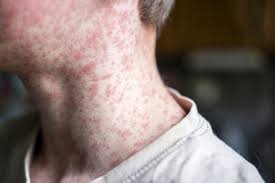
Within a few days, a characteristic rash develops, usually starting on the face and spreading down the body. The rash consists of flat, red spots that may merge together. Measles can lead to serious complications, including pneumonia, encephalitis (brain swelling), and even death.
Protecting Yourself and Your Family: Vaccination is Key
The most effective way to protect against measles is vaccination. The MMR vaccine is safe and highly effective. The CDC recommends the following vaccination schedule:
- First dose: 12-15 months of age
- Second dose: 4-6 years of age
Infants too young to be vaccinated are protected through herd immunity – when a large percentage of the population is vaccinated, it reduces the risk of transmission. If you are unsure of your vaccination status, or your child’s, consult your healthcare provider.
What to Do If You Suspect Measles
If you or someone you know develops symptoms consistent with measles, it’s crucial to:
- Contact your healthcare provider immediately. Do not go to the emergency room or doctor’s office without calling first, as measles is highly contagious and precautions need to be taken to prevent further spread.
- Isolate yourself or the affected individual to prevent transmission.
- Inform your healthcare provider of any recent travel history or potential exposure to measles.
Staying Informed About the Measles Outbreak
Staying informed about the measles outbreak is vital. Reliable sources of information include:
- Centers for Disease Control and Prevention (CDC)
- World Health Organization (WHO)
- Your local health department
By understanding the risks, recognizing the symptoms, and prioritizing vaccination, we can collectively work to prevent the spread of measles and protect our communities.