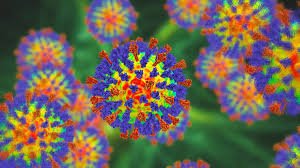
Measles Alert: Confirmed Cases Reported in Washington D.C.
DC Health has issued an alert regarding confirmed cases of measles within the District. While the exact number of infected individuals hasn’t been officially disclosed, officials are actively tracking potential exposure locations. This news comes as the U.S. faces a growing threat of losing its measles elimination status due to increasing vaccine hesitancy.
Where and When Exposure May Have Occurred
DC Health is currently investigating locations visited by individuals with confirmed measles cases. Details are being updated as the investigation progresses. It’s crucial to stay informed about these locations to assess your potential exposure risk. (Further details on specific locations will be added as they become available from DC Health).
Understanding Measles: A Highly Contagious Disease
Measles is an extremely contagious airborne disease, spread through respiratory droplets produced when an infected person coughs, sneezes, or even breathes. According to DC Health, nine out of ten unvaccinated individuals exposed to measles will become infected. This highlights the critical importance of vaccination.
Prevention: The Power of the MMR Vaccine
The most effective way to protect yourself and your community from measles is through vaccination. The Measles, Mumps, and Rubella (MMR) vaccine is highly effective in preventing the disease. Here’s a breakdown of who is considered protected:
- Fully Protected: Individuals who have received two doses of a measles-containing vaccine.
- Fully Protected: People born before 1957 are generally considered immune.
- Likely Protected: Those who have received only one dose are likely protected, but a second dose is recommended for full immunity.
- At Risk: Individuals who have not received a measles-containing vaccine (MMR or measles-only) are at risk.
What to Do If You Think You’ve Been Exposed
If you believe you may have been exposed to measles, it’s vital to take immediate action:
- Contact Your Healthcare Provider: Discuss your potential exposure and receive guidance.
- Contact DC Health: Reach out to DC Health at 844-493-2652 for further assistance.
- Monitor for Symptoms: Watch for symptoms for up to 21 days after exposure.
- Isolate and Seek Medical Attention: If symptoms develop, isolate yourself immediately and contact your healthcare provider. If you need to visit a healthcare facility, call ahead to allow them to take necessary precautions.
Recognizing Measles Symptoms
Measles symptoms develop in two stages:
Stage 1: Initial Symptoms (7-14 days after exposure)
- Fever
- Cough
- Runny Nose
- Red, Watery Eyes (Conjunctivitis)
- Sore Throat
Stage 2: Rash and Contagiousness (3-5 days after initial symptoms)
A rash typically begins on the face and spreads throughout the body. Individuals with measles are contagious from four days before the rash appears until four days after it disappears.
The Growing Threat of Measles Resurgence
The Centers for Disease Control and Prevention (CDC) warns that the U.S. is at risk of losing its measles elimination status. You can find more information about measles and vaccination on the CDC website. Vaccination is a crucial public health measure to protect individuals and communities from this highly contagious disease.