Understanding Vibrio Bacteria on the Louisiana Gulf Coast
The Louisiana Gulf Coast is renowned for its stunning landscapes, vibrant culture, and world-class seafood. However, during the warmer months, a hidden danger lurks in the salty waters: Vibrio bacteria. While most people enjoy the beaches without issue, it is crucial to understand the risks associated with these microorganisms to ensure a safe and enjoyable visit.
What Exactly is Vibrio Bacteria?
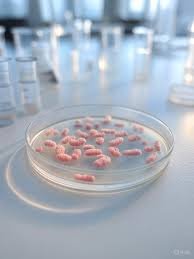
Vibrio species are naturally occurring bacteria found in marine environments. The most concerning types found along the Gulf Coast are Vibrio vulnificus and Vibrio parahaemolyticus. These bacteria thrive in warm, brackish waters—the exact conditions found in the bays and beaches of Louisiana during the summer.
How Does Infection Happen?
There are two primary ways that Vibrio bacteria can enter the human body:
- n
- Consumption: Eating raw or undercooked shellfish, particularly oysters, which filter these bacteria from the water.
- Wound Exposure: When open cuts, scrapes, or fresh tattoos come into contact with contaminated seawater or raw seafood juices.
Who is Most at Risk?
While anyone can contract a Vibrio infection, certain individuals are at a significantly higher risk for severe, life-threatening complications. These include people with:
- n
- Chronic liver disease or cirrhosis.
- Diabetes.
- Weakened immune systems (immunocompromised).
- Cancer or those undergoing chemotherapy.
Essential Prevention Tips for Visitors and Locals
You don’t have to avoid the coast entirely; you just need to take a few smart precautions. Follow these guidelines to minimize your risk:
- Cook Your Seafood: Avoid raw oysters. Ensure all shellfish are cooked to an internal temperature that kills bacteria.
- Cover Your Wounds: If you have an open cut or scratch, avoid swimming in the Gulf waters until the wound is fully healed.
- Shower After Swimming: Rinse off with fresh water after spending time in the ocean to remove any lingering bacteria from your skin.
- Be Vigilant: If you notice redness, swelling, or blistering around a wound after swimming, seek medical attention immediately.
When to Seek Medical Help
Vibrio infections can progress rapidly. If you experience sudden fever, chills, or severe skin inflammation after exposure to the Louisiana Gulf Coast waters, contact a healthcare provider immediately. Early treatment with the correct antibiotics is key to a full recovery.
For more detailed health advisories, you can visit the Centers for Disease Control and Prevention (CDC) or the official website of the Louisiana Department of Health to stay updated on current water safety levels.