Legionnaires’ Disease Outbreak: Understanding the Risks and How to Protect Yourself
When news of a Legionnaires’ disease outbreak hits the headlines, it often sparks immediate concern. But what exactly is it, and how does it spread? Unlike a common cold or a seasonal flu, Legionnaires’ disease is a severe form of pneumonia that requires prompt medical attention and specific preventive measures.
What is Legionnaires’ Disease?
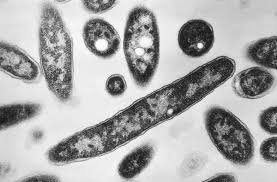
Legionnaires’ disease is a potentially serious lung infection caused by Legionella bacteria. These bacteria are found naturally in freshwater environments but become a significant health risk when they grow and spread in human-made water systems.
It is important to note that this is not a contagious disease; you cannot catch it from another person. Instead, infection occurs when people breathe in small droplets of water (aerosols) containing the bacteria.
How Does a Legionnaires’ Disease Outbreak Happen?
A widespread outbreak typically occurs when a large-scale water system becomes contaminated. The bacteria thrive in warm, stagnant water, making certain environments higher risk than others. Common sources include:
- n
- Cooling Towers: Large air conditioning systems used in commercial buildings.
- Hot Tubs and Whirlpools: If not properly chlorinated or cleaned.
- Decorative Fountains: Especially those with misting features.
- Plumbing Systems: Including showers, faucets, and complex piping in hospitals or hotels.
Recognizing the Symptoms: When to Seek Help
The symptoms of a Legionnaires’ disease outbreak can be mistaken for other types of pneumonia or respiratory infections. However, early detection is crucial for a successful recovery. Watch out for the following signs:
- n
- High Fever: Often accompanied by chills.
- Persistent Cough: Which may or may not produce mucus.
- Shortness of Breath: Difficulty breathing or rapid shallow breaths.
- Muscle Aches: General fatigue and body pain.
- Neurological Symptoms: In some cases, confusion or disorientation may occur.
If you suspect you have been exposed to contaminated water and are experiencing these symptoms, it is vital to consult a healthcare provider immediately. For more detailed medical information, you can visit the Mayo Clinic.
Prevention and Safety Measures
Preventing a Legionnaires’ disease outbreak depends largely on the proper maintenance of water systems. Whether you are a building manager or a homeowner, these steps can reduce risk:
- Regular Maintenance: Ensure that cooling towers and HVAC systems are cleaned and disinfected according to professional standards.
- Water Temperature Control: Keep hot water tanks at temperatures high enough to kill the bacteria (usually above 60°C/140°F).
- Avoid Stagnation: Regularly flush pipes and faucets that are rarely used to prevent water from sitting still.
- Follow Official Guidelines: Adhere to the safety protocols provided by health authorities like the CDC (Centers for Disease Control and Prevention).
Final Thoughts
While the idea of a Legionnaires’ disease outbreak can be frightening, the risk to the general public is relatively low if water systems are managed correctly. By staying informed about the symptoms and ensuring that environment hygiene is prioritized, we can effectively mitigate the risks and protect public health.