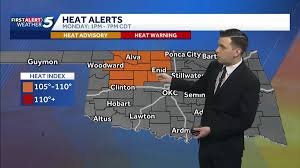
Heat Advisory: Your Complete Guide to Staying Safe in Extreme Heat
When the temperature spikes and the humidity becomes oppressive, you might see a heat advisory issued by weather services. But what does this actually mean for your daily routine, and more importantly, how can you protect yourself and your loved ones?
A heat advisory is more than just a warning that it will be a “hot day.” It is a formal alert indicating that a combination of high temperatures and humidity may pose a significant risk to health if precautions are not taken. In this guide, we will explore how to navigate these extreme conditions safely.
What Exactly is a Heat Advisory?
A heat advisory is typically issued by organizations like the National Oceanic and Atmospheric Administration (NOAA) when the heat index—which combines air temperature and relative humidity—reaches levels that could cause heat-related illnesses. Unlike a heat warning, which indicates imminent danger, an advisory serves as a crucial heads-up to prepare and take preventive measures.
Recognizing the Danger: Heat Exhaustion vs. Heat Stroke
Understanding the difference between heat exhaustion and heat stroke can be life-saving. Here is a quick breakdown of the warning signs:
- n
- Heat Exhaustion: Heavy sweating, rapid pulse, dizziness, fatigue, nausea, and cool, moist skin with goosebumps.
- Heat Stroke: High body temperature (103°F or higher), hot, red, dry or damp skin, rapid and strong pulse, confusion, and loss of consciousness. This is a medical emergency!
If you suspect someone is suffering from heat stroke, call emergency services immediately and move the person to a cooler environment.
Top Strategies to Beat the Heat
When a heat advisory is in effect, your priority should be maintaining your core body temperature and staying hydrated. Follow these expert-backed tips:
1. Prioritize Hydration
Don’t wait until you are thirsty to drink water. Sip water throughout the day. Avoid excessive caffeine or alcohol, as these can contribute to dehydration.
2. Optimize Your Environment
- Keep blinds and curtains closed during the day to block out direct sunlight.
- Use fans or air conditioning to circulate air.
- Take cool showers or baths to lower your body temperature quickly.
3. Dress for the Weather
Wear lightweight, loose-fitting, and light-colored clothing. Fabrics like cotton or linen allow your skin to breathe and help sweat evaporate more efficiently.
4. Avoid Peak Sun Hours
Try to limit outdoor activities between 10:00 AM and 4:00 PM, when the sun is at its strongest. If you must go outside, seek shade as often as possible.
Protecting Vulnerable Groups
Certain individuals are more susceptible to heat-related illnesses. According to the Centers for Disease Control and Prevention (CDC), you should pay extra attention to:
- Infants and Children: Their bodies do not regulate temperature as efficiently as adults.
- The Elderly: Older adults may have chronic conditions or take medications that affect their body’s response to heat.
- Pets: Animals can suffer from heat stroke just like humans. Never leave a pet in a parked car, and provide plenty of shade and fresh water.
Final Thoughts
While summer heat can be enjoyable, a heat advisory is a signal to take your health seriously. By staying hydrated, recognizing the signs of heat stress, and limiting your exposure to the midday sun, you can enjoy the season without compromising your safety.
Stay cool, stay hydrated, and stay safe!