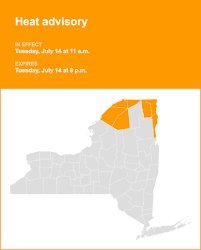
Understanding Heat Advisories: Your Guide to Staying Safe in Extreme Heat
When the temperature spikes and the humidity becomes oppressive, you might see a heat advisory issued by weather services. But what exactly does this mean, and more importantly, how can you protect yourself and your family during these dangerous weather events?
A heat advisory is typically issued when the combination of high temperature and humidity makes it feel significantly hotter than the actual thermometer reading. This increase in the “heat index” can lead to serious health risks if proper precautions aren’t taken.
Essential Tips to Stay Cool During a Heat Advisory
Preventing heat-related illnesses is all about managing your body temperature and staying hydrated. Here are the most effective strategies:
- n
- Prioritize Hydration: Drink plenty of water, even if you don’t feel thirsty. Avoid excessive caffeine or alcohol, as these can contribute to dehydration.
- Dress for the Weather: Wear lightweight, light-colored, and loose-fitting clothing to allow your skin to breathe and reflect sunlight.
- Optimize Your Environment: Keep blinds and curtains closed during the day to block out the sun. If you don’t have air conditioning, visit public spaces like libraries or malls that offer cooling.
- Time Your Outdoor Activities: If you must go outside, do so during the cooler parts of the day—typically early morning or late evening.
Recognizing the Warning Signs: Heat Exhaustion vs. Heat Stroke
It is critical to know the difference between heat exhaustion and heat stroke, as the latter is a medical emergency.
Heat Exhaustion
Symptoms often include heavy sweating, rapid pulse, dizziness, fatigue, and nausea. Action: Move to a cool place, drink water, and use cool compresses on the skin.
Heat Stroke
This occurs when the body can no longer regulate its internal temperature. Signs include a body temperature above 103°F, hot and dry skin (no longer sweating), confusion, and loss of consciousness. Action: Call emergency services immediately. This is a life-threatening condition.
Protecting Vulnerable Populations
Some people are more susceptible to the effects of a heat advisory than others. Be extra vigilant with:
- The Elderly: Older adults may not feel thirst as acutely and may have underlying health conditions that make heat regulation harder.
- Children: Young children’s bodies heat up faster than adults’.
- Pets: Animals can suffer from heatstroke just like humans. Ensure they have constant access to shade and fresh water.
For more detailed safety guidelines and real-time alerts, we recommend visiting the Centers for Disease Control and Prevention (CDC) and monitoring your local National Weather Service updates.
Conclusion
While a heat advisory can be intimidating, being prepared is the best defense. By staying hydrated, limiting sun exposure, and knowing the warning signs of heat-related illness, you can navigate the summer heat safely and comfortably.