Glyphosate Controversy: The Legal Battle and the Rise of the MAHA Movement
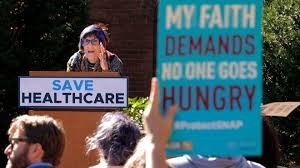
In a high-stakes meeting at the White House, a group of wellness influencers and mothers—known as the “MAHA moms”—found themselves in a jam-packed room with some of the most powerful figures in the U.S. government. The goal? To air their grievances about the perceived health risks of common weedkillers, specifically the controversial chemical glyphosate.
This meeting wasn’t just a routine briefing; it was a clash of ideologies. On one side, a passionate movement for public health; on the other, the complex machinery of national security and agricultural industry interests.
The Supreme Court Showdown: Bayer and the Roundup Legacy
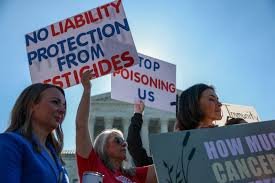
The debate over glyphosate has moved beyond White House meeting rooms and into the highest court in the land. The U.S. Supreme Court is currently weighing a case that could redefine the liability of pesticide manufacturers.
At the center of the storm is Bayer, the company that acquired Monsanto and produces Roundup. The legal battle focuses on a critical question: Can individual states set their own product labeling requirements, or does a 1972 federal law supersede them?
- n
- The Plaintiffs’ Argument: Advocates argue that states should have the right to warn citizens about potential carcinogens if federal agencies are slow to act.
- Bayer’s Defense: The company maintains that Roundup is safe, citing the Environmental Protection Agency (EPA), and argues that a patchwork of state laws would create regulatory chaos.
The outcome, expected in June, will determine whether thousands of Americans can continue to sue Bayer over illnesses allegedly linked to glyphosate exposure.
RFK Jr. and the MAHA Paradox
Robert F. Kennedy Jr., now the Secretary of Health and Human Services, has a long history with this fight. Years ago, as an environmental lawyer, he helped secure a landmark settlement for DeWayne “Lee” Johnson, a groundskeeper who developed non-Hodgkin’s lymphoma after years of using Roundup.
However, Kennedy now finds himself in a paradoxical position. While he has explicitly stated that glyphosate causes cancer, the Trump administration has ordered an increase in domestic production of the chemical, citing national security reasons.
“The president felt it was necessary for national security reasons,” Kennedy explained, while maintaining his personal displeasure with the executive order.
Why the “MAHA” Movement is Gaining Momentum
The “Make America Healthy Again” (MAHA) movement is more than just a slogan; it is a political force driven by parents and health advocates. For these supporters, the issue isn’t just about law—it’s about the health of their children and the purity of the food supply.
Influencers like Vani Hari (the “Food Babe”) argue that glyphosate will be a pivotal issue in the upcoming midterm elections. They believe the public momentum against toxic chemicals in farming is now too strong to be ignored by the political establishment.
What’s Next for Pesticide Regulation?
As the legal battles continue, all eyes are on the EPA’s court-ordered review of glyphosate’s safety, scheduled for release in October. This report could either validate the concerns of the MAHA movement or provide the regulatory cover Bayer needs to maintain its current labeling.
Whether you view glyphosate as a necessary tool for global food security or a public health hazard, one thing is clear: the fight over this single chemical has become a litmus test for the influence of the health-conscious voting bloc in Washington.
To learn more about the global stance on glyphosate, you can visit the World Health Organization (WHO) archives regarding pesticide classifications.