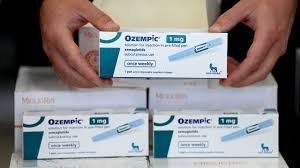
GLP-1 Vision Loss: Understanding the FDA Warning on Ozempic and Wegovy
GLP-1 Drugs and Vision Loss: What You Need to Know About the Latest FDA Warning
The rise of GLP-1 receptor agonists, such as Ozempic and Wegovy, has revolutionized the treatment of obesity and type 2 diabetes. However, a new safety advisory from the U.S. Food and Drug Administration (FDA) has put users and healthcare providers on alert regarding a rare but serious side effect: permanent vision loss.
While these medications have provided life-changing results for millions, the FDA is now requiring drugmakers to add warning labels to a dozen injectable and pill-based GLP-1 medications due to a potential link with a specific eye condition.
What is NAION and How Does it Affect Vision?
The condition in question is known as Non-Arteritic Anterior Ischemic Optic Neuropathy (NAION). In simple terms, NAION occurs when there is a significant reduction in blood flow to the optic nerve, which is responsible for transmitting visual information from the eye to the brain.
When blood flow is compromised, the optic nerve can suffer permanent damage, leading to vision impairment. While the exact mechanism of why GLP-1 drugs might trigger this is still under investigation, the FDA began its deep dive after studies indicated a higher incidence of the condition among users of semaglutide.
Analyzing the Numbers: How High is the Risk?
It is important to put these warnings into perspective. The FDA reviewed 126 clinical trials involving over 134,000 patients. The findings revealed the following:
- n
- Incidence Rate: Roughly 6 cases occurred per 100,000 patients taking GLP-1 drugs over one year, compared to fewer than 4 cases in the placebo group.
- Statistical Increase: Patients on GLP-1 drugs showed a roughly 68% higher rate of developing NAION.
- Actual Frequency: In a specific subset of 78,000 patients, only 10 experienced vision loss, representing a tiny fraction of 0.01% of participants.
The “Overlap” Challenge: Causality vs. Correlation
One of the biggest challenges for FDA scientists is determining if the medication causes the vision loss or if it is linked to the patients’ existing health profiles. Many people prescribed GLP-1 drugs already suffer from risk factors associated with NAION, including:
- n
- Type 2 Diabetes
- High blood pressure (Hypertension)
- Sleep apnea
Because these comorbidities are common among the target demographic for these drugs, it is difficult to establish a direct causal link between the medication and the eye condition.
Warning Signs: When to See a Doctor
NAION is most common in adults over the age of 50. If you are using a GLP-1 medication, be vigilant for the following symptoms, which often appear suddenly upon waking:
- n
- Sudden, painless vision loss in one eye.
- Blurred vision or a “cloudy” appearance.
- Distorted color perception.
- Blind spots (scotomas) in the visual field.
While approximately 43% of patients experience some spontaneous improvement, many are left with permanent visual field defects, as there is currently no proven treatment to reverse NAION damage.
Final Thoughts
For the vast majority of users, the benefits of GLP-1 medications in managing weight and blood sugar far outweigh the rare risk of vision loss. However, awareness is key. If you notice any changes in your sight, contact an ophthalmologist immediately.
📰 You May Also Like