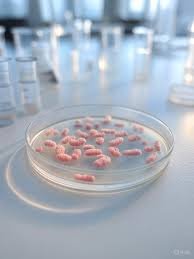
Is Your Produce Aisle Safe? Navigating the Cyclospora Parasite Outbreak
For many of us, the produce section is the heart of a healthy diet. However, a rising number of Cyclospora parasite cases has left many consumers questioning whether their favorite fruit and leafy greens are safe to eat. With over 7,000 confirmed or investigated cases across 34 US states, understanding how to protect your family is more important than ever.
While health officials in states like Michigan and Ohio suspect lettuce and salad greens may be the primary culprits, other fresh produce cannot be ruled out. This microscopic parasite is hardy and adheres stubbornly to the surfaces of fresh fruit and vegetables, making proper preparation essential.
What is Cyclosporiasis and How Does it Affect You?
Cyclosporiasis is an intestinal illness caused by the Cyclospora parasite. Unlike some viruses, it is not typically contagious from person to person; instead, it is acquired through contaminated food or water. Symptoms usually appear between two days and two weeks after exposure and include:
- n
- Prolonged watery diarrhea (the most common symptom)
- Severe stomach cramps and nausea
- Persistent fatigue and loss of appetite
- Unintentional weight loss
While most healthy individuals experience mild symptoms, those at higher risk—including young children, the elderly, and immunosuppressed individuals—may face more severe complications or dehydration. According to the Centers for Disease Control and Prevention (CDC), about 1 in 11 cases have required hospitalization.
Smart Shopping: Choosing the Right Produce
To minimize your risk while still enjoying the benefits of fresh fruit and vegetables, experts suggest changing how you shop:
- n
- Avoid Pre-cut and Bagged Salads: Packaged salad kits and pre-cut greens have been linked to previous outbreaks. These items undergo more handling and are more prone to contamination.
- Go for Whole Produce: Opt for whole heads of lettuce and uncut fruits. They typically have less exposure to processing contaminants.
- Inspect Your Food: Steer clear of any fruit or vegetables that appear bruised, damaged, or moldy, as these are more susceptible to parasitic adherence.
The Right Way to Wash Your Fruit and Vegetables
Many people believe that using soap or chemical disinfectants is the best way to clean produce, but this can actually be harmful. According to food safety experts, do not use soap, bleach, or chlorine tablets. The Cyclospora parasite is highly resistant to chlorine, and household cleaners can leave toxic residues on your food.
Follow these safety steps for maximum protection:
- Peel when possible: Peeling fruits and vegetables is one of the most effective ways to remove contaminated surfaces.
- Remove outer layers: For leafy greens, discard the outer two to three layers of leaves before washing.
- Thorough rinsing: Wash produce under clean, running water. While not 100% foolproof for delicate berries or herbs, it significantly reduces the risk.
The Ultimate Defense: Heat and Hygiene
If you are in a high-risk group or want absolute certainty, cooking is your best bet. The Cyclospora parasite is destroyed by heat. To ensure the parasite is killed, food should be cooked to an internal temperature of 158°F (70°C) or higher.
Additionally, prevent cross-contamination in your kitchen by:
- Keeping unwashed produce separate from ready-to-eat foods.
- Washing hands and surfaces thoroughly before and after preparing food.
- Using separate cutting boards for raw meats and fresh fruit.
For the most current alerts and safety guidelines, always refer to the U.S. Food and Drug Administration (FDA) and local health department updates. Stay informed, stay cautious, and keep your diet colorful and healthy!