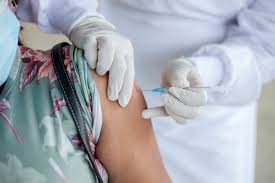
The Importance of Flu Shots: Your Best Defense Against Seasonal Influenza
As the temperature drops and the winter breeze sets in, one of the most important health decisions you can make is getting your flu shot. While many people view the seasonal flu as just a “bad cold,” influenza can lead to serious complications, especially for vulnerable populations. In this guide, we will explore why the flu vaccine is your best tool for prevention and how it works to keep you safe.
What Exactly is a Flu Shot?
A flu shot is a vaccine designed to protect you from the influenza virus. Unlike a cold, the flu is a respiratory illness that can attack your nose, throat, and lungs. Each year, scientists and health organizations, such as the World Health Organization (WHO), analyze global trends to predict which strains of the virus will be most prevalent, ensuring the vaccine is updated for maximum effectiveness.
Why You Need a Flu Shot Every Year
You might be wondering, “Why can’t I just get one shot for life?” The answer lies in the nature of the virus itself. Influenza viruses mutate rapidly, meaning the version of the flu circulating this year is likely different from last year’s. Additionally, the immunity provided by the vaccine declines over time.
Key Benefits of Annual Vaccination:
- Reduced Risk of Infection: Significantly lowers your chances of catching the flu.
- Less Severe Symptoms: If you do get sick, the vaccine often reduces the severity and duration of the illness.
- Herd Immunity: By getting vaccinated, you help protect people who cannot get the shot, such as infants or those with severe allergies.
Common Myths vs. Facts
Despite the scientific evidence, several misconceptions about flu shots persist. Let’s set the record straight:
Myth: “The flu shot can give me the flu.”
Fact: This is biologically impossible. The injected flu vaccine contains inactive (killed) viruses or a single protein from the virus, which cannot cause an infection.
Myth: “I’m healthy, so I don’t need a vaccine.”
Fact: Even healthy individuals can contract the flu and spread it to others who may be at higher risk for complications.
Who Should Prioritize the Vaccine?
While health experts recommend that everyone six months and older get vaccinated, certain groups are at a higher risk and should make it a priority:
- Adults aged 65 and older
- Pregnant women
- Young children (especially those under 5)
- People with chronic health conditions (such as asthma, diabetes, or heart disease)
Tips for a Smooth Vaccination Experience
If you are nervous about your appointment, remember that the discomfort of a quick needle is far better than a week of fever and chills. For more detailed guidelines on vaccination schedules, you can visit the Centers for Disease Control and Prevention (CDC).
To minimize side effects like soreness at the injection site, stay hydrated and keep your arm moving. If you experience a mild fever, it is simply a sign that your immune system is responding to the vaccine and building protection.
Conclusion: Take Action for Your Health
Don’t wait until the flu season is at its peak. Scheduling your flu shot today is a simple, effective way to ensure you and your family stay healthy and active throughout the winter. Talk to your pharmacist or primary care physician to find the best option for you!