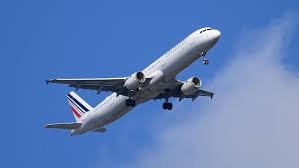
Flight Diverted to Montreal: Ebola Outbreak Triggers Strict US Travel Restrictions
In a surprising turn of events, a routine flight from Paris to Detroit became a focal point of international health security. An Air France flight was recently forced to divert to Montréal-Trudeau International Airport after the United States government refused entry to a passenger from the Democratic Republic of the Congo (DRC).
The Incident: Why Air France Flight AF378 Changed Course
Flight AF378, traveling from Paris-Charles de Gaulle to Detroit, was intercepted by American authorities. The reason? A strict adherence to new health protocols designed to mitigate the risk of a viral epidemic. According to Air France, the aircraft was diverted to Montreal because a Congolese national on board was denied entry into the U.S.
Under current regulations, travelers from specific regions—including the Democratic Republic of the Congo—are restricted to entering the United States exclusively through Washington Dulles International Airport (IAD). Because the passenger was on a flight destined for Detroit, U.S. Customs and Border Protection (CBP) prohibited the plane from landing at the Detroit Metropolitan Airport.
Health Screenings in Montreal
Upon landing in Montreal at 5:15 p.m. (EDT), the passenger was immediately met by health officials. The Public Health Agency of Canada confirmed that a quarantine officer examined the traveler and determined they were asymptomatic. Following the screening, the passenger was safely sent back to Paris.
Meanwhile, the rest of the passengers and the crew continued their journey to Detroit, though the experience left some travelers shaken.
Passenger Anxiety: The “Mask” Mystery
The diversion wasn’t without tension. In an interview with CBS, one passenger expressed frustration over the lack of communication from the cockpit. While the captain announced the stop in Montreal, he did not disclose the specific reason for the change in itinerary.
The anxiety peaked when passengers noticed the flight crew donning protective masks during the flight over the Atlantic. “Having a crew wear masks while they weren’t informing us of what was happening is very concerning,” the passenger noted, highlighting the gap between health precautions and passenger communication.
The Global Context: Ebola in the DRC
This incident is a direct result of a burgeoning health crisis in Central Africa. The World Health Organization (WHO) has issued an international health alert regarding a new outbreak of Ebola in the Democratic Republic of the Congo. This marks the 17th outbreak in the country, which is home to over 100 million people.
Key Facts About the Current Situation:
- n
- High Risk: The WHO classifies the risk as high for Central Africa but remains low for the rest of the world.
- Casualties: The current outbreak is suspected to have caused 139 deaths and nearly 600 probable cases.
- Preventative Measures: The U.S. has implemented temporary visa restrictions and enhanced health screenings for travelers coming from affected zones.
While the risk of a global epidemic remains low, the diversion of Flight AF378 serves as a stark reminder of how strictly nations are monitoring international travel to prevent the spread of deadly viruses.