Flea-borne typhus, also known as murine typhus, is a bacterial disease transmitted to humans through the bite of infected fleas. While less common than epidemic typhus, it’s a significant public health concern in many parts of the world, particularly in areas with large rodent populations. This article provides a comprehensive overview of flea-borne typhus, covering its causes, symptoms, diagnosis, treatment, and crucial prevention measures.
What Causes Flea-Borne Typhus?
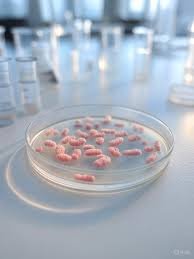
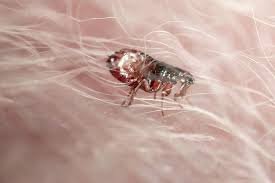
The bacterium Rickettsia typhi is the culprit behind flea-borne typhus. Fleas, typically those found on rodents like rats, mice, and squirrels, become infected after feeding on an infected animal. Humans contract the disease when bitten by these infected fleas. It’s important to note that the disease isn’t spread from person to person. The lifecycle of the flea and the presence of rodent reservoirs are key factors in transmission. Areas with poor sanitation and overcrowding often see higher rates of infection. You can find more information about rodent-borne diseases at the Centers for Disease Control and Prevention (CDC).
Symptoms of Flea-Borne Typhus
Symptoms typically appear within 1-2 weeks after being bitten by an infected flea. Common symptoms include:
- Fever
- Headache
- Rash (often starting on the trunk and spreading outwards)
- Muscle aches
- Nausea
- Vomiting
- Abdominal pain
- Cough
The rash associated with flea-borne typhus is usually maculopapular – meaning it consists of both flat, discolored spots (macules) and small, raised bumps (papules). In severe cases, flea-borne typhus can lead to pneumonia, encephalitis (inflammation of the brain), and even organ failure, though these complications are rare with prompt treatment.
Diagnosis and Treatment
Diagnosing flea-borne typhus can be challenging as its symptoms often mimic other illnesses. Doctors typically rely on a combination of clinical evaluation (assessing your symptoms and medical history) and laboratory tests. These tests may include:
- Blood tests: These tests can detect antibodies against Rickettsia typhi.
- Indirect Immunofluorescence Assay (IFA): This is a common and reliable test for diagnosing rickettsial infections.
Treatment for flea-borne typhus involves antibiotics, most commonly doxycycline. Early diagnosis and treatment are crucial for preventing complications. Symptoms usually improve within a few days of starting antibiotic therapy. It’s vital to complete the entire course of antibiotics as prescribed by your doctor, even if you start feeling better.
Prevention is Key
Preventing flea-borne typhus focuses on controlling flea populations and rodent infestations. Here are some effective prevention strategies:
- Rodent Control: Seal any cracks or holes in your home’s foundation and walls. Store food in airtight containers. Keep your yard clean and free of debris.
- Flea Control: Treat pets regularly for fleas. Vacuum carpets and upholstery frequently.
- Personal Protection: When in areas known to have rodent infestations, wear long sleeves and pants. Use insect repellent containing DEET.
- Maintain Sanitation: Proper waste disposal and sanitation practices are essential for reducing rodent populations.
The World Health Organization (WHO) provides further information on typhus and its global impact. By taking proactive steps to control fleas and rodents, you can significantly reduce your risk of contracting flea-borne typhus.