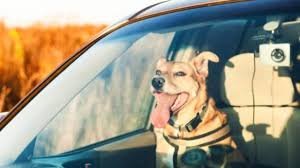
Extreme Heat Alert: How to Protect Your Pets from Dangerous Temperatures
When an extreme heat alert is issued, we often focus on our own hydration and shade. However, our four-legged companions are even more vulnerable to rising temperatures. From dogs to cats, pets cannot regulate their body temperature as efficiently as humans do, making high temperatures a serious health risk.
In a recent expert discussion, veterinary professionals highlighted that overheating isn’t just uncomfortable—it can be lethal. Here is everything you need to know to keep your pets safe during a heatwave.
Why High Temperatures are Dangerous for Pets
The biological impact of extreme heat is severe. Our pets’ cells need to operate within a specific temperature range to function correctly. When a pet’s internal body temperature rises too high, it leads to hyperthermia or heatstroke. If the body cannot cool down, cellular damage occurs, which can lead to organ failure and, in the worst cases, death.
Understanding that overheating is incompatible with life is the first step in taking proactive measures to protect your animals.
How to Identify Heatstroke in Your Pets
Early detection is key to saving a pet’s life. Since animals cannot tell us they are overheating, we must watch for these critical warning signs:
- n
- Excessive Panting: While panting is the primary way dogs dissipate heat, excessive or labored panting is a red flag.
- Lethargy: If your pet suddenly becomes exhausted or refuses to move and simply lies down, they may be overheating.
- Heavy Drooling: An unusual increase in saliva or drooling can indicate heat stress.
- Behavioral Changes: If your dog tries to rush back inside the moment they hit the pavement, they are communicating that the environment is too hot.
Safe Walking Guidelines During a Heatwave
Taking your dog for a walk is essential for their mental health, but during an extreme heat alert, timing is everything. To avoid heat exhaustion, follow these guidelines:
1. Time Your Walks Carefully
Avoid the peak sun hours. The best times for outdoor activity are:
- n
- Early Morning: Ideally before 11:00 AM.
- Late Evening: Once the sun has set and the air has cooled.
2. The “5-Second Rule” for Pavement
Asphalt and concrete absorb heat and can burn your pet’s paw pads in seconds. To check if the ground is safe, use the 5-second rule: place the back of your hand on the pavement. If you cannot hold it there comfortably for five full seconds, it is too hot for your pet’s paws.
Final Tips for Pet Cooling
Beyond walks, ensure your pets have constant access to fresh, cool water and a shaded, well-ventilated area to rest. If you suspect your pet is suffering from heatstroke, contact a veterinarian immediately. For more detailed guidelines on pet emergency care, you can visit the ASPCA, a leading authority in animal welfare.
Remember: listening to your pet’s behavior is the best way to ensure their safety. Stay vigilant, keep them hydrated, and keep them cool!