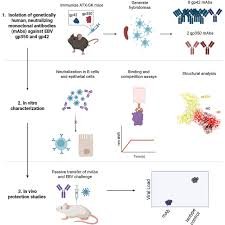
Understanding the Epstein-Barr Virus (EBV)
The Epstein-Barr Virus (EBV), also known as human herpesvirus 4, is one of the most common viruses in humans. It’s so prevalent that most people are infected with EBV at some point in their lives, often without even knowing it. While often asymptomatic, EBV is responsible for a range of illnesses, from mild childhood infections like mononucleosis (mono) to more serious conditions later in life. This article delves into the intricacies of EBV, covering its symptoms, causes, transmission, diagnosis, and available treatment options.
What Causes the Epstein-Barr Virus?
EBV is primarily spread through bodily fluids, most commonly saliva. This is why it’s often referred to as the “kissing disease.” Transmission can occur through kissing, sharing drinks or utensils, coughing, or sneezing. The virus has a long incubation period, meaning symptoms can take anywhere from 4 to 6 weeks to appear after initial infection. It’s important to note that EBV can remain dormant in the body for life, potentially reactivating under certain circumstances. Factors that can trigger reactivation include stress, a weakened immune system, and certain medical conditions.
Symptoms of EBV Infection
The symptoms of EBV infection vary depending on age and the individual’s immune system. In young children, infection often causes no noticeable symptoms. However, in adolescents and adults, EBV frequently manifests as infectious mononucleosis (mono). Common symptoms of mono include:
- Fatigue: Often severe and persistent.
- Fever: Typically ranging from 101°F to 104°F.
- Sore Throat: Often accompanied by white patches on the tonsils.
- Swollen Lymph Nodes: Especially in the neck and armpits.
- Swollen Spleen: This is a serious complication and requires medical attention.
- Headache
- Skin Rash
These symptoms can last for several weeks or even months. In rare cases, EBV can lead to more serious complications, such as liver inflammation, neurological problems, and, very rarely, certain types of cancer. The National Cancer Institute provides comprehensive information on EBV-related cancers: [https://www.cancer.gov/about-cancer/causes-prevention/risk/infectious-agents/epstein-barr-virus-fact-sheet](https://www.cancer.gov/about-cancer/causes-prevention/risk/infectious-agents/epstein-barr-virus-fact-sheet)
Diagnosis and Treatment
Diagnosing EBV typically involves a physical exam and blood tests. A Monospot test can detect antibodies associated with EBV, but it may not be accurate in the early stages of infection. More specific blood tests can confirm the diagnosis and determine the stage of infection. Currently, there is no cure for EBV. Treatment focuses on managing symptoms and preventing complications. Recommended treatments include:
- Rest: Essential for allowing the body to recover.
- Hydration: Drinking plenty of fluids helps prevent dehydration.
- Pain Relief: Over-the-counter pain relievers can help manage fever and sore throat.
- Avoid Strenuous Activity: Especially if the spleen is enlarged, to prevent rupture.
In severe cases, corticosteroids may be prescribed to reduce inflammation. Researchers are actively exploring potential antiviral therapies, but currently, no specific antiviral drugs are routinely used to treat EBV infection. The Mayo Clinic offers detailed guidance on managing mononucleosis: [https://www.mayoclinic.org/diseases-conditions/mononucleosis/diagnosis-treatment/drc-20351768](https://www.mayoclinic.org/diseases-conditions/mononucleosis/diagnosis-treatment/drc-20351768)
Prevention
Preventing EBV infection can be challenging, given its widespread prevalence. However, you can reduce your risk by:
- Avoiding sharing drinks, food, and utensils.
- Practicing good hygiene, such as frequent handwashing.
- Avoiding close contact with people who are sick.
While a vaccine for EBV is not currently available, research is ongoing. Understanding the virus and taking preventative measures can help protect yourself and others. Staying informed about EBV and consulting with a healthcare professional if you suspect you may be infected are crucial steps in maintaining your health.