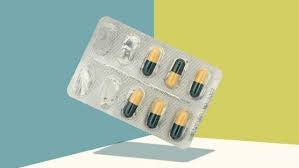
Important Health Alert: Duloxetine Recall Due to Impurity Concerns
Patient safety is paramount when it comes to long-term medication. Recently, a significant recall has been issued for thousands of bottles of duloxetine, a widely used antidepressant, due to the detection of elevated levels of a specific impurity.
The recall centers on the presence of N-nitroso-duloxetine. This substance belongs to a group of compounds known as nitrosamines. While these compounds are commonly found in various everyday items—such as cured meats, grilled vegetables, and dairy products—their presence in pharmaceutical medications is strictly monitored to ensure patient safety.
Understanding the Risks: What are Nitrosamines?
According to the U.S. Food and Drug Administration (FDA), nitrosamine impurities can potentially increase the risk of cancer if individuals are exposed to them above acceptable levels over an extended period.
However, it is important to remain calm. The FDA has clarified that for patients taking medications containing nitrosamines—even daily for up to 70 years—the risk of cancer is not expected to increase, provided the levels remain at or below the recommended safety limits.
Which Products are Affected?
The recall was voluntarily initiated by the manufacturer, Towa Pharmaceutical, and the product is distributed by Breckenridge Pharmaceutical Inc.
If you or a loved one are taking this medication, please check your packaging for the following specific details:
- n
- Medication: Duloxetine (Delayed-Release Capsules)
- Dosage: 30 mg
- Packaging: 1000-capsule bottles
- Lot Number: 241180C
- Expiration Date: April 2027
What Does a “Class 2 Recall” Mean?
The agency has categorized this as a Class 2 recall. In pharmaceutical terms, this means that while the use of or exposure to the product may cause temporary or medically reversible adverse health consequences, the probability of serious harm is remote.
What Should You Do Now?
If you find that your medication matches the lot number mentioned above, do not stop taking your medication abruptly, as this can lead to withdrawal symptoms or a relapse in your condition. Instead, follow these steps:
- Verify your lot number: Check the bottle for Lot 241180C.
- Consult your pharmacist: Contact your local pharmacy to see if a replacement is available.
- Speak with your doctor: Reach out to your healthcare provider to discuss a safe transition to a different batch or alternative treatment.
For more information on medication safety and recalls in Canada, you can visit the Health Canada official website to stay informed about pharmaceutical alerts.