The Silent Crisis: Understanding the DR Congo Ebola Outbreak
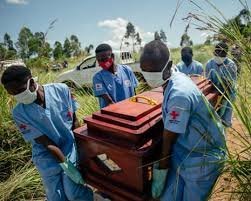
While the world’s attention is often captured by high-profile global events, a devastating health emergency is unfolding in the Democratic Republic of the Congo (DRC). The current DR Congo Ebola outbreak is on a trajectory to become one of the deadliest in history, marked by an alarming rate of community transmission and a staggering mortality rate.
Despite the gravity of the situation, there is a haunting silence from the global media. Compared to the massive coverage of the 2014 outbreak, today’s crisis feels invisible—perhaps a symptom of “pandemic fatigue” following the COVID-19 era. However, for the people of the DRC, the silence is costing lives.
The Human Toll: A Community Under Siege
The statistics are harrowing. With an estimated 4,900 cases and over 2,300 deaths, the mortality rate is hovering near 50%. But the numbers only tell part of the story. The tragedy is amplified by where and how the virus is spreading:
- Community Spread: A significant majority of deaths occur within communities before patients ever reach a hospital; health workers are estimated to reach only 30% of cases.
- Impact on Children: Children account for 25% of confirmed cases and nearly one-third of all deaths.
- Maternal Crisis: In the worst-hit Ituri province, maternal deaths have doubled due to childbirth complications and the high risk of foetal loss linked to Ebola.
- Collapse of Basic Care: The outbreak has disrupted routine services, including essential childhood vaccinations against measles, leading to a surge in indirect deaths.
Why This Outbreak is Harder to Contain
Several factors have created a “perfect storm,” making this specific outbreak uniquely challenging to manage.
1. A New Viral Species
Unlike previous outbreaks caused by the Zaire species, this crisis involves the Bundibugyo species. Because of this, existing vaccines and antivirals were not immediately effective. Furthermore, evidence suggests that viral mutations may have increased the transmissibility of the virus, allowing it to spread faster than containment efforts can keep up.
2. Regional Instability and Conflict
The outbreak is centred in the Ituri province, a region plagued by ongoing conflict and roaming militias. In such an unstable environment, health security is nearly impossible. Many cases were initially misdiagnosed as malaria or typhoid, allowing the virus to spread undetected for months.
The Cost of Political Isolationism
The lack of a coordinated global response is not an accident—it is a political choice. In 2014, the US, UK, and France worked closely with the World Health Organization (WHO) to provide military-grade logistics and resources. Today, the landscape has shifted.
With the rise of “America-First” policies and the defunding of foreign aid, the US has stepped back from multilateral cooperation. Similarly, the UK has significantly cut foreign aid to focus on domestic inequalities. While these political decisions may serve internal agendas, they leave vulnerable nations without the resources needed to stop a pathogen that could eventually threaten global health security.
Rays of Hope: Science and Trust
Despite the bleak outlook, there are reasons for optimism. Innovation is moving forward in two critical directions:
- Medical Breakthroughs: Oxford University has begun human trials for a Bundibugyo-specific vaccine using the same technology as the AstraZeneca COVID-19 vaccine. Additionally, the WHO is sponsoring clinical trials for two existing antiviral therapies within the DRC.
- The Human Element: Social scientists are working to build trust within remote communities. By acknowledging the traumatic history of colonial health interventions, experts are developing more empathetic and effective public health campaigns.
Conclusion: A Global Responsibility
The DR Congo Ebola outbreak serves as a stark reminder that health is not a national issue, but a global one. When political decisions in the West lead to the defunding of research and international aid, the ramifications are felt in the most vulnerable corners of the earth. To prevent the next pandemic, the world must remember that no one is safe until everyone is safe.