DR Congo Ebola Outbreak: Understanding the Crisis, Prevention, and the Global Response
The Democratic Republic of the Congo (DRC) has historically been the epicenter of several challenging DR Congo Ebola outbreaks. This severe viral hemorrhagic fever not only threatens local populations but also poses a significant risk to global health security. Understanding the dynamics of the virus, the challenges of containment in conflict zones, and the breakthroughs in medical science is crucial for preventing future pandemics.
What is Ebola Virus Disease?
Ebola Virus Disease (EVD) is a rare but deadly illness caused by infection with a group of viruses within the genus Ebolavirus. The virus is introduced into the human population through close contact with the blood, secretions, organs, or other bodily fluids of infected animals, such as fruit bats or primates.
Once a human is infected, the virus spreads through human-to-human transmission via direct contact with infected bodily fluids. According to the World Health Organization (WHO), the fatality rate can vary significantly depending on the strain and the quality of medical care available.
The Unique Challenges in the DR Congo
Dealing with an Ebola outbreak in the DRC is significantly more complex than in other regions. Several factors contribute to the difficulty of containment:
- Geographic Isolation: Many affected areas are in remote jungles with limited road access, making it hard for medical teams to reach patients.
- Conflict and Instability: Ongoing political instability and armed conflict in the eastern provinces often lead to distrust of government and international health workers.
- Healthcare Infrastructure: A lack of basic healthcare facilities complicates early detection and isolation of cases.
Prevention and Control Measures
Preventing the spread of the DR Congo Ebola outbreak requires a multi-faceted approach combining medical intervention and community engagement.
Key Prevention Strategies:
- Contact Tracing: Identifying every person who has come into contact with an infected individual to monitor them for symptoms.
- Safe Burials: Ensuring that burial practices do not involve direct contact with the deceased, as the viral load remains high after death.
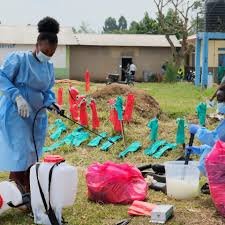
- Hygiene Protocols: Rigorous handwashing and the use of Personal Protective Equipment (PPE) by healthcare workers.
The Breakthrough: Vaccination and Treatment
One of the most significant milestones in fighting Ebola has been the development of effective vaccines. The rVSV-ZEBOV vaccine has shown remarkable efficacy in limiting the spread of the virus during recent outbreaks in the DRC.
Furthermore, the Centers for Disease Control and Prevention (CDC) highlights that early supportive care—such as fluid replacement and treating specific symptoms—significantly increases the survival rate of patients.
Conclusion: A Global Responsibility
The fight against the DR Congo Ebola outbreak is not just a local battle; it is a global necessity. Through international cooperation, funding for health infrastructure, and the continued development of vaccines, the world can move toward a future where Ebola is no longer a lethal threat. Supporting global health initiatives is the best way to ensure that these outbreaks are contained swiftly and efficiently.