Understanding the Cyclospora Outbreak: What You Need to Know
Health officials across the United States have been on high alert as an unprecedented wave of cyclosporiasis—a parasitic infection known for causing severe gastrointestinal distress—has swept through 47 states. While recent data suggests the surge may be slowing down, the scale of the outbreak has raised significant concerns regarding food safety and public health.
According to the Centers for Disease Control and Prevention (CDC), over 15,700 confirmed cases have been reported since May, with thousands more suspected. While the numbers are beginning to stabilize, the impact has been significant, resulting in hundreds of hospitalizations and a few tragic deaths.
What Exactly is Cyclospora?
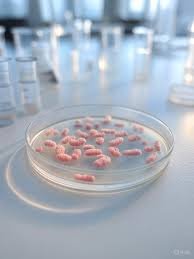
Cyclospora (specifically Cyclospora cayetanensis) is a microscopic parasite that infects the human intestinal tract. Unlike bacterial infections, this parasite is typically contracted by consuming contaminated food or water. It is particularly notorious for its resilience and the way it spreads through the food supply chain.
Common Symptoms of Cyclosporiasis
The infection is most famous for causing symptoms that mimic severe food poisoning. According to the Cleveland Clinic, the hallmark of a cyclospora infection is gastrointestinal upheaval. Key symptoms include:
- n
- Explosive Diarrhea: Frequent, watery, and often recurring bouts of diarrhea.
- Nausea and Vomiting: Severe stomach upset and inability to keep food down.
- Fatigue: General malaise and loss of appetite.
- Weight Loss: Due to the prolonged nature of the symptoms.
While most healthy adults recover with treatment, the infection can become dangerous for individuals with compromised immune systems or underlying health conditions.
The Link to Contaminated Produce
Tracking the source of a cyclospora outbreak is notoriously difficult due to a long incubation period. However, federal investigators have made a breakthrough in the largest cluster of cases, centered in Michigan.
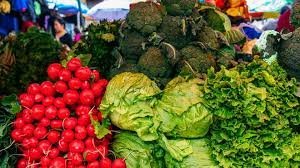
The FDA traced a significant portion of the illnesses back to recalled iceberg lettuce grown by Taylor Farms in central Mexico. This specific chain of contamination was first identified through traceback linked to the fast-food chain Taco Bell, accounting for nearly 9,500 cases across 17 states.
How to Protect Your Family
Even as the number of new cases declines, health experts suggest that caution is still the best policy when shopping in the produce aisle. Dr. Sharon Nachman, a leading expert in pediatric infectious diseases, emphasizes that preventative measures are key.
Pro Tip: To minimize your risk, always wash your lettuce and fresh greens thoroughly before consumption, even if they are labeled as “pre-washed.” Vigilance in food preparation can be the difference between a healthy meal and a severe parasitic infection.
Why is Cyclospora So Hard to Track?
Unlike pathogens such as E. coli or Listeria, cyclospora does not respond well to the same genetic tracking tools. This, combined with the time it takes for symptoms to appear after ingestion, creates a “reporting lag.” Often, by the time the CDC confirms a case, the contaminated food has already been consumed or discarded, making the investigation a race against time.
Stay informed and prioritize food hygiene to keep your household safe from foodborne illnesses.