Colorectal Cancer Screening: A Growing Concern for Younger Adults
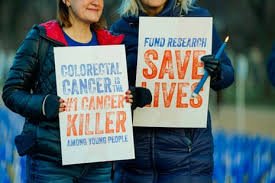
Experts are sounding the alarm: colorectal cancer is increasingly affecting individuals under 50. A recent analysis by the American Cancer Society reveals that it’s now the leading cause of cancer death in this age group, prompting a critical call to action for both medical professionals and those at risk. Ignoring symptoms can have devastating consequences, as highlighted by the experiences of individuals like Becca Lynch and Cass Costley.
A Silent Threat: Recognizing the Symptoms
Becca Lynch, a 29-year-old cybersecurity professional from Denver, Colorado, initially dismissed her symptoms as stress-related. However, persistent changes in bowel habits – specifically, “pencil thin” stools and increased frequency (five to six times a day) – eventually led to the discovery of thick, dark blood in her stool. Inspired by an Instagram video from Cass Costley, who shared a similar story, Becca finally sought medical attention. Despite delaying a colonoscopy for several months, she was ultimately diagnosed with stage 3B colon cancer.
Becca’s story isn’t unique. Rebecca Siegel, an epidemiologist at the American Cancer Society, explains that approximately 75% of individuals under 50 are diagnosed with advanced colorectal cancer. This is often due to a lack of regular screening through colonoscopies and a tendency to downplay symptoms, assuming they are too young to be at risk. Many initially attribute blood in the stool to less serious conditions like hemorrhoids, a common first search result online.
The Importance of Early Detection and Screening
Siegel strongly urges anyone experiencing rectal bleeding for more than a couple of weeks to consult a doctor immediately. For those without symptoms, stool tests like Cologuard and the FIT test offer a non-invasive way to screen for potential cancer. These tests can help rule out cancer before symptoms even develop.
A Shifting Landscape: Trends in Colorectal Cancer Rates
While colorectal cancer rates are declining in individuals over 65, they have dramatically increased in younger populations since the 1990s, jumping from the fifth to the first leading cause of cancer death. This shift necessitates a change in approach from healthcare providers, who are accustomed to treating older patients with different concerns regarding fertility and sexual function. It’s crucial for doctors to discuss options for preserving these functions before initiating treatment.
Unraveling the Mystery: Why the Rise in Younger Adults?
The exact reasons for the increase in colorectal cancer among younger adults remain unclear, but experts point to a “birth cohort effect.” This suggests that individuals born after the 1950s may have been exposed to a common risk factor during the mid-20th century. Possible contributors include changes in the food supply, such as increased consumption of processed foods, processed meats, and foods packaged in plastic. The potential impact of microplastics on gut health is also being investigated, as they have been shown to cross the blood-brain barrier.
Addressing Disparities and Funding Research
Certain populations, like Alaska Natives, exhibit significantly higher rates of colorectal cancer mortality. However, limited funding hinders research into the underlying causes. Increased investment in this area could unlock valuable insights and potentially benefit broader populations.
Breaking the Stigma and Sharing Stories
Individuals like Prosanta Chakrabarty, a 47-year-old evolutionary biologist, and Becca Lynch are openly sharing their experiences to combat the embarrassment and stigma surrounding colorectal cancer. Prosanta, despite maintaining a healthy lifestyle and undergoing annual colonoscopies, was diagnosed with advanced cancer in 2024. Both are using social media to raise awareness and encourage others to seek medical attention. Becca even participated in a Reddit AMA to answer questions about her journey.
Early detection is key. Don’t hesitate to talk to your doctor about any concerning symptoms. You can find more information about colorectal cancer and screening options at the American Cancer Society.