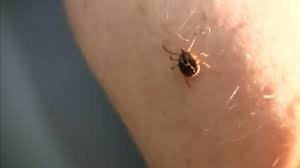
Tick-Borne Diseases in Canada: What You Need to Know About Lyme and Anaplasmosis
For many Canadians, spending time in the great outdoors is a way of life. Whether you’re hiking through the lush forests of Ontario or exploring the coast of Nova Scotia, the wilderness is calling. However, there is a growing health concern that requires our attention: the rise of tick-borne diseases in Canada.
While most people are familiar with Lyme disease, health experts are now urging the public and medical professionals to be aware of another, less common infection called anaplasmosis. As the prevalence of blacklegged ticks (also known as deer ticks) increases across Eastern Canada, understanding the risks and prevention methods is more important than ever.
Anaplasmosis: The “Hidden” Threat
Recent findings published in the Canadian Medical Association Journal (CMAJ) highlight a worrying trend. Anaplasmosis, carried by the same blacklegged ticks as Lyme disease, is becoming more frequent in clinical practice, particularly in rural areas of Eastern Ontario.
The danger of anaplasmosis lies in its vague symptoms. Unlike Lyme disease, which often presents with a characteristic “bullseye” rash, anaplasmosis typically mimics a severe flu. Common symptoms include:
- n
- High fever and chills
- Generalized weakness and fatigue
- Severe headache
- Gastrointestinal issues
Because these symptoms are so general, the infection can be easily overlooked. If left untreated, it can lead to severe complications such as kidney failure, brain inflammation, and myocarditis (inflammation of the heart muscle). The good news? It is highly treatable with the antibiotic doxycycline, provided it is caught early.
Lyme Disease vs. Anaplasmosis: What’s the Difference?
It can be difficult to distinguish between the two without a lab test, but here are the primary telltale signs identified by the Public Health Agency of Canada:
- Lyme Disease: Often begins with an expanding red rash (erythema migrans) and joint pain.
- Anaplasmosis: Usually presents as a flu-like illness without a rash and often involves a low blood cell count.
Note: It is possible to be co-infected with both illnesses simultaneously, making vigilance and professional medical diagnosis essential.
How to Protect Yourself and Your Family
You don’t have to stop enjoying nature, but you do need to be prepared. Experts recommend these simple yet effective precautions to minimize the risk of tick bites:
1. Use Effective Repellents
Apply insect repellents containing DEET or Icaridin to exposed skin. When hiking, wearing long sleeves and tucking pants into socks can provide a physical barrier against crawling ticks.
2. Perform Thorough Tick Checks
After spending time outdoors, check your entire body. Ticks often hide in “inconvenient” places, such as the scalp, behind the ears, under the arms, and in the genital area. For children, a daily bath is an excellent way to spot and remove ticks early.
3. Act Fast on Removal
The window for infection varies. While Lyme disease usually requires a tick to be attached for 24 to 36 hours, removing any tick within a day drastically reduces the probability of infection.
Step-by-Step: How to Properly Remove a Tick
If you find a tick attached to your skin, follow these guidelines from health authorities:
- Use Fine-Point Tweezers: Grasp the tick as close to the skin’s surface as possible.
- Pull Straight Out: Gently pull upward with steady pressure. Do not twist or jerk the tick, as this can cause the mouthparts to break off in the skin.
- Clean the Area: Wash the bite site thoroughly with soap and water or an alcohol-based sanitizer.
- Identify the Tick: You can take a photo of the tick and submit it to eTick.ca to help Canadian scientists monitor tick populations and disease prevalence.
If you develop a fever or rash in the weeks following a tick bite, contact your healthcare provider immediately. Early intervention is the key to a full and speedy recovery.