Bringing Healthcare to the Heart of the Community
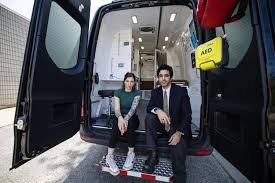
In a groundbreaking move to bridge the gap in urban healthcare, the University Health Network (UHN) has partnered with the Toronto Public Library (TPL) to launch mobile health clinics. This innovative initiative aims to meet vulnerable populations exactly where they are—outside local library branches—transforming these trusted community hubs into gateways for essential medical care.
For many individuals facing housing instability, substance use challenges, or the struggles of being a newcomer to Canada, traditional hospital environments can feel intimidating or even traumatic. By moving care into the community, UHN is effectively dismantling the barriers that often prevent people from seeking help until it is too late.
Comprehensive Care on Wheels
These mobile clinics are not just first-aid stations; they provide a wide array of primary care services designed to stabilize and improve the long-term health of patients. Services offered include:
- Full Physical Examinations: Routine check-ups to monitor overall health.
- Chronic Disease Screening: Including blood pressure checks and cancer care.
- Mental Health Support: Professional counselling to address trauma and psychological distress.
- Substance-Use Care: Treatment for infections and abscesses, as well as prescriptions for medications like methadone to assist in recovery.
- Emergency Response: Distribution of Naloxone and staff trained to reverse opioid overdoses on-site.
Why Libraries? The Logic of “Places of Refuge”
Dr. Andrew Boozary, a physician and the founding executive director of the Gattuso Centre for Social Medicine at UHN, envisioned this project because libraries are already seen as “places of refuge.” They are inclusive, welcoming spaces that serve Canadians from every income bracket.
According to Aly Velji, senior manager of adult services at the Toronto Public Library, this partnership allows for a holistic approach to recovery. While the mobile clinic handles the medical side, the library can help patients apply for supportive housing, search for employment, or connect with settlement agencies for newcomers.
Healing Fractured Relationships
One of the most significant hurdles in public health is stigma. Jess Hales, a nurse practitioner with the project, emphasizes that many vulnerable people avoid hospitals due to past negative experiences.
“The goal is to rebuild those fractured relationships that happen as a result of stigma,” says Hales. “We act as a low-barrier entry point into the health-care system.”
Looking Ahead: Expansion and Impact
Currently operating five days a week at the Sanderson TPL branch (near Dundas and Bathurst), the program is already looking to grow. Plans are underway to outfit a second mobile unit and expand services to Toronto Community Housing complexes, specifically in areas with high emergency service call volumes and low primary care access.
This initiative is a powerful reminder that healthcare is not just about medicine; it is about preserving the human condition. By integrating high-quality medical care into public spaces, UHN is ensuring that no one—regardless of their socio-economic status—is left behind in the pursuit of a healthier life.