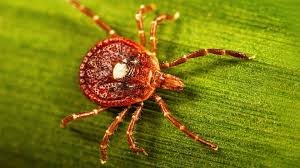
Bourbon Virus Ticks: Understanding the Rare and Deadly Threat in Your Backyard
Imagine spending five years trapped in a cycle of debilitating fevers, chronic headaches, and night sweats, only to find out that the cause was a rare virus almost no one had heard of. This was the harrowing reality for Michael Larkin, a 67-year-old Long Island resident whose story has shed light on a mysterious and dangerous health threat: the Bourbon virus.
For years, Larkin’s condition was misdiagnosed as Lyme disease—a common mistake given the similarity in symptoms. It wasn’t until April 2026 that doctors at Stony Brook Medicine, using advanced analysis and persistence, identified the true culprit. His case is a wake-up call that some of the most dangerous threats are the ones we cannot easily detect.
What Exactly is the Bourbon Virus?
The Bourbon virus is a rare tick-borne illness first identified in 2014 in Bourbon County, Kansas (hence its name). It is primarily transmitted through the bite of infected ticks, most notably the Lone Star tick. While initially thought to be localized to the Midwest, recent cases in New York suggest the virus may be more widespread than previously believed.
According to the Centers for Disease Control and Prevention (CDC), this virus is not yet well understood, which leads to significant underdiagnosis. Because the symptoms mimic other tick-borne infections, many patients suffer for years without the correct treatment.
Recognizing the Symptoms: Is it Lyme or Bourbon Virus?
The danger of the Bourbon virus lies in its stealth. Because there is no widely available commercial test, doctors often default to diagnosing Lyme disease. However, if typical Lyme treatments fail, it may be time to look deeper.
Common symptoms of a Bourbon virus infection include:
- n
- High, debilitating fevers
- Severe, chronic headaches
- Intense night sweats
- Extreme fatigue (feeling “rock bottom” and unable to leave bed)
Treatment and the Current Medical Challenge
One of the most alarming aspects of the Bourbon virus is that there is currently no vaccine and no specific medication to cure the infection. Treatment is primarily “supportive care,” meaning doctors focus on managing the symptoms to allow the body to fight the virus on its own.
Depending on the severity, treatment may include:
- Over-the-counter pain relievers for mild symptoms.
- Hospitalization for severe cases, involving IV fluids and intensive pain management.
How to Protect Yourself from Tick-Borne Illnesses
Since there is no cure, prevention is the only reliable defense. Lone Star ticks are prevalent in the Northeast and Southern United States, often lurking in residential yards and wooded areas.
To reduce your risk of contracting the Bourbon virus or other tick-borne diseases, follow these expert tips:
Tick-Proof Your Property
Your backyard can be a prime hunting ground for ticks. To make your home less attractive to these pests:
- Clear Tall Grass: Keep your lawn mowed and trim overgrown shrubs.
- Create a Barrier: Use a layer of gravel or wood chips between your lawn and wooded areas to discourage tick migration.
- Remove Leaf Litter: Clear away fallen leaves and brush where ticks love to hide.
Personal Protection
When spending time outdoors, always wear long sleeves and pants tucked into socks. Using EPA-approved insect repellents is also highly recommended to keep the Lone Star tick at bay.
As medical experts warn, the cases we see may just be the “tip of the iceberg.” Staying informed and taking preventive measures is the best way to ensure your backyard remains a place of relaxation, not a source of illness.