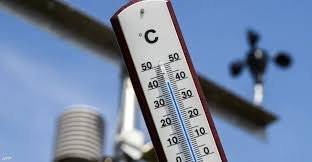
Beat the Heat: Your Ultimate Guide to Staying Cool During Canada’s Intense Heatwaves
As summer temperatures climb across the provinces, the sensation of intense chaleur (heat) becomes more than just a seasonal inconvenience—it can become a health risk. Whether you are navigating the humid streets of Toronto or the dry heat of the Prairies, knowing how to regulate your body temperature and protect your home is essential for your well-being.
In this guide, we explore practical, science-backed strategies to help you stay cool, safe, and energized when the mercury rises.
1. Prioritize Hyper-Hydration
When you’re exposed to extreme heat, your body loses fluids rapidly through sweat. Dehydration is the most common side effect of a heatwave and can lead to fatigue, dizziness, and heat exhaustion.
- n
- Drink before you’re thirsty: Don’t wait for the thirst signal; sip water consistently throughout the day.
- Electrolyte balance: If you are sweating heavily, replenish minerals with coconut water or low-sugar sports drinks.
- Avoid triggers: Limit excessive caffeine and alcohol, as these act as diuretics and can accelerate dehydration.
For more detailed guidelines on fluid intake during extreme weather, refer to the Public Health Agency of Canada.
2. Optimize Your Living Space
Your home should be your sanctuary from the heat. However, without proper air conditioning, some houses can become “heat traps.” Here is how to keep your indoor environment comfortable:
- n
- The “Blackout” Method: Keep curtains and blinds closed during the peak sun hours (11 AM to 4 PM) to prevent solar heat from entering your rooms.
- Strategic Ventilation: Open windows at night or in the early morning to let cool air circulate, and close them as soon as the temperature starts to rise.
- Use Fans Wisely: Fans don’t cool the air; they cool you via evaporation. If the indoor temperature is above 35°C, a fan alone may not be enough and could actually increase heat stress.
3. Dress for the Climate
What you wear can significantly impact how your body handles chaleur. The goal is to allow your skin to breathe and sweat to evaporate efficiently.
- n
- Choose Natural Fabrics: Opt for linen or 100% cotton. Avoid synthetic fabrics like polyester, which trap heat and moisture against the skin.
- Light Colors: Wear whites, beiges, and pastels. Dark colors absorb more UV radiation and convert it into heat.
- Loose Fits: Flowing clothing allows air to circulate around your body, aiding in natural cooling.
4. Recognizing the Warning Signs
It is crucial to distinguish between heat exhaustion and the more dangerous heatstroke. Knowing the symptoms can save lives.
| Symptom | Heat Exhaustion | Heatstroke (Emergency) |
|---|---|---|
| Skin | Pale, clammy, heavy sweating | Red, hot, dry (no sweat) |
| Pulse | Fast and weak | Fast and strong |
| Mental State | Dizzy or faint | Confused, agitated, or unconscious |
If you suspect someone is suffering from heatstroke, call emergency services immediately and move the person to a cool area. You can find more emergency protocols at the World Health Organization (WHO).
Final Thoughts
While Canada is known for its winters, our summers are becoming increasingly intense. By staying hydrated, managing your environment, and recognizing the signs of heat-related illness, you can enjoy the sunny season without compromising your health.
Stay cool, stay hydrated, and look out for your neighbors!