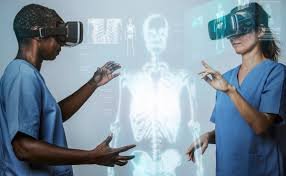
Artificial intelligence (AI) is rapidly reshaping the landscape of healthcare, promising to revolutionize everything from disease diagnosis to personalized treatment plans. No longer a futuristic concept, AI in healthcare is already delivering tangible benefits to patients and providers alike. This article delves into the current applications, potential future developments, and the ethical considerations surrounding the integration of AI into the medical field.
The Current State of AI in Healthcare
AI’s impact is being felt across numerous healthcare domains. Here are some key areas where AI is making significant strides:
- Diagnostics: AI algorithms can analyze medical images (X-rays, MRIs, CT scans) with remarkable accuracy, often surpassing human capabilities in detecting subtle anomalies indicative of diseases like cancer. Companies like Aidoc are leading the way in this field.
- Drug Discovery: The process of developing new drugs is notoriously lengthy and expensive. AI is accelerating this process by identifying potential drug candidates, predicting their efficacy, and optimizing clinical trial design.
- Personalized Medicine: AI can analyze a patient’s genetic information, lifestyle factors, and medical history to create tailored treatment plans. This approach maximizes treatment effectiveness while minimizing side effects.
- Robotic Surgery: AI-powered robots are assisting surgeons with complex procedures, enhancing precision, minimizing invasiveness, and reducing recovery times. The da Vinci Surgical System is a prime example.
- Administrative Tasks: AI-powered chatbots and virtual assistants are automating routine administrative tasks, freeing up healthcare professionals to focus on patient care.
Future Potential: What’s on the Horizon?
The future of AI in healthcare is brimming with possibilities. We can expect to see even more sophisticated applications emerge, including:
- Predictive Analytics: AI will be able to predict which patients are at risk of developing certain conditions, allowing for proactive interventions.
- Remote Patient Monitoring: AI-powered wearable devices will continuously monitor patients’ vital signs and alert healthcare providers to any concerning changes.
- Virtual Nurses: AI-powered virtual nurses will provide patients with personalized support and guidance, improving adherence to treatment plans.
- AI-Driven Mental Healthcare: AI chatbots and virtual therapists will offer accessible and affordable mental healthcare support.
Ethical Considerations and Challenges
While the potential benefits of AI in healthcare are immense, it’s crucial to address the ethical considerations and challenges that come with its implementation. These include:
- Data Privacy and Security: Protecting sensitive patient data is paramount. Robust security measures and strict adherence to privacy regulations (like HIPAA) are essential.
- Bias in Algorithms: AI algorithms can perpetuate existing biases if they are trained on biased data. Ensuring fairness and equity in AI systems is crucial.
- Transparency and Explainability: Understanding how AI algorithms arrive at their conclusions is important for building trust and ensuring accountability.
- Job Displacement: The automation of certain tasks may lead to job displacement in the healthcare industry. Retraining and upskilling initiatives are needed to mitigate this risk.
Despite these challenges, the future of AI in healthcare is bright. By addressing these concerns proactively and fostering collaboration between healthcare professionals, AI developers, and policymakers, we can unlock the full potential of AI to improve patient care and create a healthier future.