GME: The GameStop Saga, Meme Stocks, and the Future of Investing
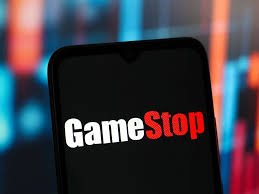
In January 2021, the world watched in astonishment as a seemingly ordinary video game retailer, GameStop (GME), became the epicenter of a financial earthquake. What began as a coordinated effort by retail investors on the subreddit r/wallstreetbets to challenge institutional short sellers quickly spiraled into a phenomenon that shook the foundations of Wall Street and sparked a broader conversation about market manipulation, the power of social media, and the future of investing.
The Short Squeeze: How It All Began
GameStop, while a recognizable brand, was facing significant challenges. The shift towards digital game downloads and the rise of online retailers had put immense pressure on its brick-and-mortar business model. Hedge funds, anticipating further decline, heavily shorted GME stock – essentially betting that its price would fall. However, a growing community of retail investors on r/wallstreetbets noticed this massive short interest.
Recognizing an opportunity, these investors began buying GME stock, driving up demand and, consequently, the price. As the price rose, short sellers were forced to cover their positions (buy back the stock to limit their losses), further accelerating the price increase. This is known as a short squeeze. The result was a dramatic and unprecedented surge in GME’s stock price, from around $20 in early January to a peak of nearly $500 later that month.
The Rise of Meme Stocks
The GameStop saga wasn’t just about financial gains; it was also fueled by a sense of community and a desire to challenge the perceived power of Wall Street. The stock became a “meme stock” – a stock whose price is heavily influenced by social media sentiment and online communities. Other companies, like AMC Entertainment (AMC), BlackBerry (BB), and Nokia (NOK), also experienced similar, albeit less dramatic, surges in price as retail investors piled in.
This phenomenon highlighted the growing influence of social media on financial markets. Platforms like Reddit, Twitter, and TikTok became battlegrounds for investment ideas and coordinated trading strategies. The power of collective action, previously unseen on this scale, was demonstrated vividly.
The Aftermath and Regulatory Scrutiny
The GME short squeeze triggered a wave of volatility and prompted investigations by regulatory bodies like the Securities and Exchange Commission (SEC). Trading platforms, like Robinhood, faced criticism for restricting trading in GME and other meme stocks, leading to accusations of market manipulation and protecting institutional investors.
The SEC is still investigating the events surrounding the GameStop saga, focusing on potential market manipulation, the role of social media, and the adequacy of existing regulations. The debate continues about whether the actions of retail investors constituted legitimate market activity or illegal manipulation.
The Future of Investing
The GME saga has had a lasting impact on the investment landscape. It has:
- Empowered Retail Investors: Demonstrated the collective power of individual investors.
- Increased Regulatory Scrutiny: Led to calls for greater regulation of short selling and trading platforms.
- Highlighted the Role of Social Media: Showcased the influence of online communities on market dynamics.
- Raised Questions about Market Fairness: Sparked a debate about the fairness and accessibility of financial markets.
The rise of meme stocks and the GME saga suggest that the traditional power dynamics of Wall Street are shifting. While the long-term implications remain to be seen, one thing is clear: the future of investing will be shaped by the increasing influence of retail investors and the power of social media. For further insights into market dynamics, consider exploring resources from the SEC and Investopedia.