Weather (天气) and Avalanche Risks in the Alps: A Growing Concern
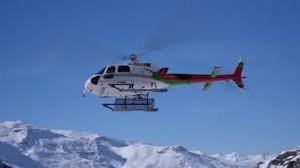
From the vantage point of our helicopter above the Alps, the scars and dimples left by recent avalanches are starkly visible. This season has already claimed the lives of more than 100 people across the mountains, a grim figure not seen in eight years, according to the European Avalanche Warning Services. Below, skiers queue at lifts and carve down the slopes, seemingly unaware of the hidden dangers.
The Tarentaise, a network of imposing valleys in the heart of the French Alps, is covered in a dense layer of snow, beautiful yet treacherous. “As with all around the world, the climate is changing,” explains Frédéric Bonnevie, a mountain patroller with 32 years of experience. He notes shorter winters and the need to seek powder at higher altitudes. This season’s snow, while thick, has proven unstable, contributing to a significant increase in avalanche fatalities.
The Risks Beyond the Pistes
While patrollers can manage conditions on marked pistes, the off-piste terrain presents a far greater risk. “A lot of the victims are skiers who come here often, are technically skilled, but aren’t necessarily connoisseurs of the mountain environment,” suggests Stéphane Bornet, director of Anena, a French snow safety association. Many, he says, lack essential safety equipment like transceivers and shovels, and fail to research their routes adequately.
The statistics are sobering. Carrying a transceiver increases your survival chance to 70% in an avalanche. The first 16 minutes after being buried are critical. Without a transceiver, the survival rate plummets to just 20%, and rescue operations become significantly more complex and time-consuming. “Most of the time when we’re coming, it can be too late,” says Pierre Boulonnais, a veteran of 17 years patrolling the slopes of Val Thorens.
Understanding the Snowpack
Boulonnais demonstrates the difference between wet and dry snow, running a ruler through 60cm of soft upper layer to reveal the dense, compressed snow beneath. “If you are trapped under just 50cm of snow of this density, you already have more than a quarter of a tonne on top of you,” explains Bornet. The weight and density of the snowpack are crucial factors in avalanche formation.
Recent Incidents and Growing Concerns
Recent events have highlighted the escalating danger. The bodies of two female skiers were found buried in La Chapelle d’Abondance after their vehicle was left in a car park. Sixty-four people were evacuated by helicopter from a village cut off in Isère. These incidents, widely reported in the French media, underscore the severity of the situation.
The impact of climate change is being questioned, with calls for those who contribute to the risk – including “foreigners and the reckless” – to cover rescue costs. British visitors, who make up a quarter of annual resort visitors, are particularly aware of the dangers. “There are lots of avalanche stories on our social media, so we’re just feeling a bit twitchy,” admits one skier, Bella.
A Changing Culture and Complacency
Beyond the weather, a shift in skiing culture is also contributing to the problem. Experienced off-piste instructors report that skiers are now venturing out immediately after snowfall, rather than waiting for the snow to settle. “The new generation want to be the best, the biggest and the quickest,” says Bonnevie. Rescuers believe human complacency, combined with changing weather patterns, is a dangerous mix.
“You have to keep in mind that the mountains are a magnificent playground, a field of adventures,” Bornet concludes. “Let’s make sure your memories are positive ones.”
Additional reporting by Paul Pradier and Marianne Baisnee.