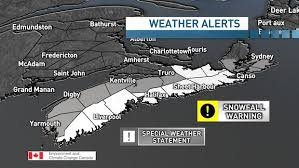
The Enchanting World of Snowfall
Snowfall. The very word evokes images of cozy fireplaces, hot cocoa, and a serene, white landscape. But beyond its aesthetic appeal, snowfall is a complex meteorological phenomenon with significant impacts on our environment, economy, and daily lives. This comprehensive guide delves into the science behind snowfall, its various types, forecasting methods, and how to safely enjoy the magic of winter. We’ll explore everything from the formation of snowflakes to the challenges snowfall presents, and how communities prepare for and adapt to it.
The Science Behind Snowflakes: How Does Snowfall Happen?
Snowfall begins with water vapor in the atmosphere. As this vapor rises and cools, it condenses into tiny ice crystals. These crystals then collide with supercooled water droplets, which freeze onto them, growing the snowflake. The unique, intricate patterns of snowflakes are a result of the specific temperature and humidity conditions during their formation. No two snowflakes are exactly alike! The process requires a freezing temperature throughout the atmosphere, from cloud to ground. If the air near the surface is too warm, the snowflakes will melt and fall as rain, sleet, or freezing rain.
Types of Snowfall: From Powder to Blizzard
- Powder Snow: Light, fluffy snow with a low water content, ideal for skiing and snowboarding.
- Wet Snow: Heavy, dense snow with a high water content, perfect for snowballs but less desirable for winter sports.
- Lake-Effect Snow: Intense snowfall that occurs downwind of large lakes, caused by cold, dry air passing over warmer water. This is particularly common in the Great Lakes region. [https://www.weather.gov/ama/lakeeffect](https://www.weather.gov/ama/lakeeffect)
- Blizzard: A severe snowstorm characterized by strong sustained winds of at least 35 mph and visibility reduced to ¼ mile or less for at least three hours.
- Snow Grains & Snow Pellets: These are smaller, less intense forms of precipitation that often precede heavier snowfall.
Forecasting Snowfall: How Meteorologists Predict Winter Storms
Accurate snowfall forecasting relies on a combination of sophisticated weather models, radar technology, and surface observations. Meteorologists analyze atmospheric conditions like temperature, humidity, and wind patterns to predict the likelihood, intensity, and timing of snowfall. Numerical weather prediction (NWP) models are crucial, but forecasters also consider local factors like topography and lake effects. The National Weather Service provides vital snowfall forecasts and warnings. [https://www.weather.gov/](https://www.weather.gov/)
Staying Safe During Snowfall: Tips for Winter Weather Preparedness
Snowfall can create hazardous conditions. Here are some essential safety tips:
- Travel Safely: Reduce speed, increase following distance, and be aware of black ice.
- Prepare Your Home: Insulate pipes, stock up on emergency supplies (food, water, medications), and have a snow removal plan.
- Dress Warmly: Wear layers of clothing to protect against the cold.
- Be Aware of Carbon Monoxide: Ensure proper ventilation when using generators or heating appliances.
- Check on Vulnerable Neighbors: Offer assistance to those who may need help during severe weather.
Enjoying the Beauty of Snowfall
Despite the challenges, snowfall offers incredible opportunities for recreation and enjoyment. From skiing and snowboarding to snowshoeing and building snowmen, winter activities can be a fantastic way to embrace the season. Simply taking a walk in a freshly fallen snowscape can be a rejuvenating experience. Remember to dress warmly and be mindful of safety precautions.