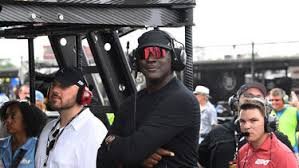
Magic Johnson and the NASCAR Antitrust Lawsuit: A Deep Dive
A recent antitrust lawsuit against NASCAR, featuring NBA icon Michael Jordan as a plaintiff, has reshaped the landscape of stock car racing. Yale SOM’s Ted Snyder, a renowned economist and antitrust expert, provided crucial testimony in the case brought by team owners. This article delves into the intricacies of the lawsuit, the economic principles at play, and the significant outcome for the sport.
The Core of the Dispute
NASCAR, the governing body for premier stock car racing, operates a system of 36 regular season races culminating in a series of championship finals. The central issue revolved around whether NASCAR engaged in anticompetitive practices that harmed the participating racing teams. These teams, while independent contractors, operate under time-limited charter agreements with NASCAR. As the 2024 season neared its end, NASCAR presented team owners with a non-negotiable offer, demanding a decision by September 6, 2024. Declining the offer meant exclusion from the 2025 season, while acceptance included a clause prohibiting any future antitrust claims.
NASCAR’s control extended to owning numerous venues and holding exclusive contracts for others. Furthermore, they mandated that all teams invest in vehicles utilizing ‘Next Gen’ technology, controlled by NASCAR through patents and intellectual property. Thirteen teams signed the agreement, but two – 23XI Racing (co-owned by Michael Jordan) and Front Row Motorsports – refused, initiating a private antitrust lawsuit.
The Role of Expert Testimony
Jeffrey Kessler, the lawyer representing Michael Jordan and the other plaintiffs, contacted Ted Snyder, recognizing his expertise in antitrust law. Kessler, known for his work in bringing free agency to the NFL and loosening NCAA restrictions, had previously collaborated with Snyder during the “Deflategate” controversy involving Tom Brady. Snyder, after reviewing the case, believed the plaintiffs had a strong argument and agreed to testify.
Why the Plaintiffs Had a Strong Case
Snyder’s assessment hinged on the specialized nature of NASCAR’s infrastructure – the race tracks. Compared to venues for other major sports, the number of tracks suitable for premier stock car racing is limited. NASCAR’s ownership and exclusive contracts over these tracks created a significant barrier to entry for any potential rival league. The requirement for teams to invest in NASCAR-controlled ‘Next Gen’ technology further solidified this control.
Snyder argued that NASCAR was exerting “monopsony power” – monopoly power on the buy side – by controlling not only the venues and equipment but also the teams themselves, effectively limiting their options to operate outside of NASCAR.
The Testimony and Damage Assessment
Prior to the trial, Snyder authored three reports and underwent nine hours of deposition. During the trial, he testified on both liability and damages over two days, presenting industry analysis of NASCAR alongside other U.S. sports. He emphasized that the availability of venues, equipment, and teams are key to fostering competition, a phenomenon less common in sports but historically present (e.g., the American Football League’s entry into the NFL in 1960).
Determining damages involved comparing the percentage of league revenue allocated to the teams. Snyder used Formula One as a benchmark, finding that Formula One teams received approximately 45% of league revenue, compared to NASCAR’s 25%. His calculations resulted in total damages of $364.7 million for the two plaintiff teams. With the potential for trebling of damages and legal fee coverage under antitrust law, the total liability for NASCAR could have exceeded $1 billion.
The Settlement and Its Implications
The case settled before the trial concluded, likely due to NASCAR’s assessment of the potential financial risk. Snyder believes the jury was not receptive to NASCAR’s defense, and the association failed to present an alternative damages amount, leaving the jury to choose between Snyder’s figure and zero.
The settlement resulted in all teams transitioning from time-limited to permanent charters, a significant benefit for sponsorship and driver recruitment. Snyder estimates the value of this shift at approximately $60 million per car, with the majority of the benefit accruing to the non-plaintiff team owners. NASCAR also agreed to increase guaranteed payments to the teams, further enhancing their financial stability.
Lessons for the Future
This case highlights the importance of competition in sports and the potential harm caused by anticompetitive conduct. The lawsuit aligns with a broader focus on monopsony power, particularly in labor markets, and could have implications for future cases. Snyder’s involvement in both this case and the Deflategate controversy underscores his expertise and the growing relevance of economic analysis in high-profile legal battles. The presence of Michael Jordan throughout the proceedings added a unique dimension, demonstrating his commitment to the sport and its future.
As Yale Insights notes, this case was particularly enjoyable due to its high profile and the charismatic presence of Mr. Jordan.