Kids Soccer: A Complete Guide to Starting Your Child’s Soccer Journey
Soccer is one of the most popular sports in the world, and for good reason! It’s a fantastic way for kids to get exercise, learn teamwork, and develop valuable life skills. But where do you begin when introducing your child to the beautiful game? This comprehensive guide will walk you through everything you need to know about kids soccer, from the very first kick to navigating youth leagues.
Why Soccer is Great for Kids
Beyond the fun of running around and scoring goals, kids soccer offers a wealth of benefits:
- Physical Health: Soccer is a high-energy sport that improves cardiovascular health, endurance, and coordination.
- Social Skills: Teamwork is at the heart of soccer, teaching kids how to collaborate, communicate, and support each other.
- Cognitive Development: Soccer requires strategic thinking, quick decision-making, and problem-solving skills.
- Discipline & Respect: Learning the rules of the game and following instructions fosters discipline and respect for authority.
- Confidence Building: Achieving goals, mastering skills, and being part of a team boosts self-esteem.
Getting Started with Soccer: Early Years (Ages 4-7)
For the youngest players, the focus should be on fun and fundamental skills. Look for introductory programs that emphasize:
- Basic Movement: Running, jumping, and changing direction.
- Ball Familiarity: Dribbling, kicking, and controlling the ball.
- Simple Games: Small-sided games with minimal rules to encourage participation.
At this age, avoid overly competitive environments. The goal is to spark a love for the game, not to create future professionals. Resources like US Youth Soccer offer excellent programs and resources for young players.
Navigating Youth Soccer Leagues (Ages 8-14)
As kids get older, they can transition to more structured youth soccer leagues. Here’s what to consider:
- League Options: Research different leagues in your area, considering their philosophy, competitiveness, and cost.
- Coaching Quality: Look for leagues with qualified and experienced coaches who prioritize player development.
- Team Placement: Understand the league’s team placement process (e.g., skill-based, random).
- Commitment Level: Be realistic about your child’s and your family’s time commitment.
Organizations like AYSO (American Youth Soccer Organization) are known for their inclusive approach and focus on positive coaching.
Essential Soccer Equipment for Kids
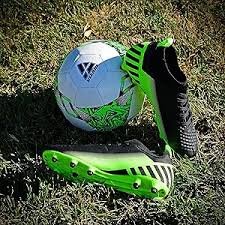
Here’s a basic checklist of equipment your child will need:
- Soccer Ball: Choose a size appropriate for their age.
- Soccer Cleats: Provide traction on the field.
- Shin Guards: Essential for protection.
- Soccer Socks: To hold shin guards in place.
- Water Bottle: Staying hydrated is crucial.
Supporting Your Young Soccer Player
Your role as a parent is vital. Here’s how to be a supportive soccer parent:
- Encourage Effort, Not Just Results: Focus on their effort, improvement, and sportsmanship.
- Be Positive: Offer encouragement and avoid criticism.
- Respect the Coaches: Allow the coaches to coach and avoid interfering.
- Have Fun! Remember that soccer should be enjoyable for your child.
Kids soccer is a wonderful experience that can benefit children in countless ways. By following these tips, you can help your child develop a lifelong love for the game!