Amari Bailey: A Rising Star Caught in an Eligibility Debate
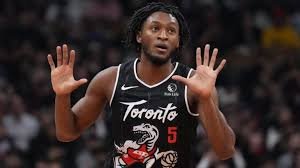
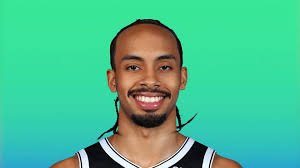
Amari Bailey, a name quickly gaining recognition in the basketball world, finds himself at the center of a complex debate regarding NBA eligibility and the pursuit of a college education. After experiencing limited playing time in several NBA games during his rookie season, Bailey is now facing hurdles in maintaining his college basketball eligibility, sparking a discussion about fairness and the current system.
The Core of the Issue: NBA Experience and College Rules
The situation highlights a significant conflict between professional experience and amateur athletic regulations. As Elliot Abrams, Bailey’s attorney, eloquently stated to ESPN, “You’ve got a college-aged kid who wants to go to college and you’ve got a system that says too bad, you’ve gone to a different league so you’re out forever.” This sentiment underscores the frustration felt by Bailey and his representation. The current rules essentially penalize a young athlete for gaining professional experience, even if that experience is minimal.
The crux of the argument revolves around the NCAA’s stance on professional participation. Once a player participates in the NBA, even for a short period, regaining college eligibility becomes incredibly difficult, if not impossible. This raises questions about the rigidity of the system and whether it truly serves the best interests of student-athletes.
Why This Matters: The Future of Young Athletes
Bailey’s case isn’t just about one player; it’s about the future of young athletes considering both professional and collegiate paths. The current landscape often forces a difficult choice: pursue a professional career immediately or risk losing the opportunity to experience college basketball. This dilemma is particularly relevant in an era where players are increasingly opting for alternative routes to the NBA, such as the G League Ignite or Overtime Elite. You can find more information about alternative pathways to the NBA on NBA.com.
The Legal Challenge and the Search for Fairness
Abrams argues that there’s “no real justification” for denying Bailey the opportunity to pursue a college education after a brief stint in the NBA. The legal challenge aims to address this perceived inequity and potentially pave the way for more flexible eligibility rules. The outcome of this case could have far-reaching implications for future athletes facing similar circumstances.
This situation also echoes broader conversations about Name, Image, and Likeness (NIL) rights and the evolving landscape of college athletics. The NCAA is constantly adapting to new challenges, and Bailey’s case may accelerate the need for further reform. For a deeper understanding of NIL, explore resources from NCAA.org.
Looking Ahead
The story of Amari Bailey is a compelling reminder of the complexities facing young athletes today. It’s a story about dreams, opportunities, and the need for a fair and adaptable system that supports both professional aspirations and educational pursuits. As the case unfolds, it will undoubtedly continue to spark debate and shape the future of college basketball eligibility.