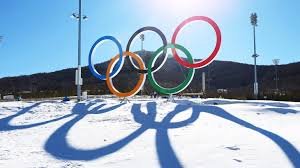
2030 Winter Olympics: The Race is On!
The world of winter sports is buzzing with anticipation as the competition heats up to determine the host city for the 2030 Winter Olympics. With a legacy of thrilling competition and global unity, the Games represent a significant opportunity for any city chosen to host. This article dives deep into the current state of the bidding process, the potential economic and social impacts, and what you need to know about the upcoming 2030 Winter Olympics.
The Contenders: Who’s in the Running?
The bidding process has seen several cities initially express interest, but the field has narrowed. Currently, the frontrunners are Salt Lake City, USA, and Sapporo, Japan. Vancouver-Whistler, Canada, was also a strong contender but withdrew its bid in October 2023. Each city presents a unique proposition, leveraging existing infrastructure and a passion for winter sports.
- Salt Lake City, USA:
- Benefits from having hosted the successful 2002 Winter Olympics, possessing established venues and a strong organizational framework. Their bid focuses on sustainability and minimizing new construction costs.
- Sapporo, Japan:
- A city steeped in winter sports tradition, Sapporo hosted the 1972 Winter Olympics and boasts excellent facilities. Their bid emphasizes leveraging existing infrastructure and a compact Games plan.
- Vancouver-Whistler, Canada (Withdrawn):
- Previously hosted the 2010 Winter Olympics, offering a proven track record. However, concerns over costs and public support led to the withdrawal of their bid.
Economic and Social Impacts
Hosting the Winter Olympics can bring significant economic benefits, including increased tourism, infrastructure development, and job creation. However, it also comes with substantial costs. A study by the University of Oxford ([https://www.oxfordeconomics.com/recent-projects/olympic-games-impact-studies](https://www.oxfordeconomics.com/recent-projects/olympic-games-impact-studies)) highlights the complex economic equation of hosting the Games, emphasizing the importance of careful planning and legacy management. Beyond economics, the Olympics can foster national pride, promote sports participation, and enhance a city’s global reputation. However, potential downsides include displacement of residents, increased security concerns, and environmental impacts.
What to Expect in 2030
The International Olympic Committee (IOC) is expected to announce the host city in the coming months. The chosen city will have a little over six years to prepare for the Games, a period of intense activity focused on venue upgrades, infrastructure improvements, and logistical planning. Expect to see a continued emphasis on sustainability, innovation, and athlete experience. The 2030 Winter Olympics promise to be a showcase of athletic excellence and a celebration of winter sports culture. The IOC is also exploring new event formats and technologies to enhance the spectator experience and engage a wider audience. You can find more information on the IOC’s official website: [https://olympics.com/ioc/](https://olympics.com/ioc/)
The Future of the Winter Games
The selection of the 2030 host city will set the tone for future Winter Olympics. The IOC is increasingly focused on finding sustainable and cost-effective solutions for hosting the Games, exploring options like shared hosting and utilizing existing infrastructure. The future of the Winter Olympics hinges on adapting to changing economic realities and ensuring the Games remain relevant and engaging for generations to come.