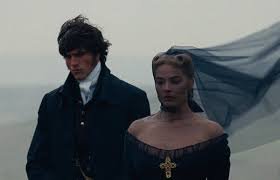
Emily Brontë’s Wuthering Heights, published in 1847 under the pseudonym Ellis Bell, remains one of the most iconic and enduring novels in English literature. More than just a love story, it’s a dark and complex exploration of passion, revenge, social class, and the untamed power of nature. Set against the dramatic backdrop of the Yorkshire moors, the novel continues to captivate readers with its raw emotion and unforgettable characters.
A Story of Two Families: Earnshaws and Lintons
The narrative centers around the intertwined fates of the Earnshaw and Linton families. The story begins with Mr. Lockwood, a new tenant at Thrushcross Grange, who becomes intrigued by his reclusive landlord, Heathcliff, and the mysterious history of Wuthering Heights. Through Lockwood’s experiences and the recollections of the housekeeper, Nelly Dean, the reader is transported back in time to unravel the tumultuous events that shaped the lives of those who inhabited these isolated homes.
At the heart of the story is the passionate and destructive relationship between Catherine Earnshaw and Heathcliff. Found as a child and brought into the Earnshaw family, Heathcliff develops a deep and consuming love for Catherine. However, societal pressures and Catherine’s ambition lead her to marry Edgar Linton, a wealthy and refined gentleman. This decision sets in motion a chain of events fueled by jealousy, resentment, and a relentless desire for revenge.
Themes of Love, Revenge, and Social Class
Wuthering Heights delves into profound themes that resonate even today. The novel explores the destructive nature of unchecked passion and the consequences of societal constraints. Catherine’s choice between love and social standing highlights the rigid class structure of Victorian England and the limited options available to women. Heathcliff’s relentless pursuit of revenge demonstrates the corrosive power of bitterness and the cyclical nature of violence.
The wild and untamed landscape of the Yorkshire moors serves as a powerful symbol throughout the novel. It reflects the passionate and unrestrained emotions of the characters, as well as the forces of nature that shape their destinies. The contrast between the ruggedness of Wuthering Heights and the refinement of Thrushcross Grange further emphasizes the clash between different social classes and lifestyles.
The Enduring Legacy of *Wuthering Heights*
Wuthering Heights has inspired countless adaptations in film, television, and theater. Its influence can be seen in numerous works of literature and art. The novel’s complex characters, haunting atmosphere, and timeless themes continue to captivate audiences worldwide. It remains a cornerstone of English literature, prompting ongoing critical analysis and debate. For further exploration of Brontë’s work, consider visiting the Brontë Parsonage Museum.
The novel’s exploration of psychological depth and its unconventional narrative structure were groundbreaking for its time. It challenged Victorian sensibilities and paved the way for future generations of writers. Understanding the historical context of the novel, including the social and economic conditions of the time, can further enhance appreciation for its complexities. Resources like the British Library’s page on Wuthering Heights offer valuable insights.