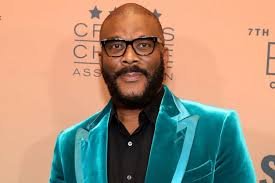
Tyler Perry. The name resonates with millions, conjuring images of powerful storytelling, relatable characters, and a remarkable entrepreneurial spirit. But the story of Tyler Perry is far more than just box office success; it’s a testament to resilience, faith, and the power of believing in your vision. This article delves into the life and career of this influential figure, exploring his humble beginnings, his groundbreaking work, and his lasting impact on the entertainment industry.
Early Life and Overcoming Adversity
Born Emmitt Perry Jr. in New Orleans, Louisiana, Tyler Perry’s early life was marked by hardship. He endured a difficult childhood, facing abuse and trauma. Finding solace in writing, Perry began journaling as a coping mechanism, a practice that would ultimately lay the foundation for his future success. He initially aimed his writing at self-help, drawing from the teachings of Oprah Winfrey and Iyanla Vanzant. His first play, I Know I’ve Been Changed, was a deeply personal exploration of healing and faith, and it was initially a financial disaster, losing $900 – a significant sum for a young man struggling to make ends meet.
However, Perry didn’t give up. He continued to refine his craft, understanding his audience and honing his ability to connect with them on a deeply emotional level. He persevered, staging the play repeatedly in smaller venues, gradually building a loyal following. This dedication and refusal to be discouraged are hallmarks of his career.
The Rise of Madea and a Unique Brand
The character of Madea, a tough-talking, no-nonsense grandmother, proved to be Perry’s breakthrough. Initially conceived as a male character, Madea evolved into the iconic matriarch we know today. Her unfiltered honesty and relatable struggles resonated with audiences, particularly African American women. Madea wasn’t just a character; she was a cultural phenomenon.
Perry’s plays, featuring Madea, became incredibly popular, touring across the country and selling out theaters. He bypassed traditional Hollywood gatekeepers, building his own audience and controlling his creative vision. This independent approach was revolutionary, allowing him to tell stories that were often overlooked by mainstream media. He understood the power of direct connection with his fans, and he cultivated that relationship meticulously.
Expanding the Empire: Film and Television
The success of his plays paved the way for Perry to transition into film and television. He wrote, directed, and starred in numerous films, including Diary of a Mad Black Woman, Madea’s Family Reunion, and I Can Do Bad All By Myself. These films consistently performed well at the box office, solidifying Perry’s position as a major force in Hollywood. He wasn’t afraid to tackle complex themes, often exploring issues of faith, family, and forgiveness.
Perry’s television ventures have been equally successful. He has created and produced several popular shows, including House of Payne, Meet the Browns, and The Oval, for networks like TBS and BET. In 2019, he made a groundbreaking deal with Netflix, creating Tyler Perry Studios, a massive production facility in Atlanta, Georgia. Netflix’s Tudum provides a detailed look at the studio and its impact.
Tyler Perry’s Impact and Legacy
Tyler Perry’s impact extends beyond entertainment. He is a significant employer, providing opportunities for countless individuals in the film and television industry, particularly in Atlanta. He’s also a philanthropist, actively supporting various charitable causes. His story is an inspiration to aspiring filmmakers and entrepreneurs, demonstrating that it’s possible to achieve success on your own terms.
While his work has faced criticism for its portrayal of certain stereotypes, Perry has consistently defended his artistic choices, arguing that he is reflecting the realities of the communities he represents. Regardless of differing opinions, his influence on popular culture is undeniable. Tyler Perry has redefined independent filmmaking and created a lasting legacy as a storyteller, a businessman, and a cultural icon.