Nowruz: A Celebration of Renewal and Hope
Nowruz (نوروز), meaning “new day” in Persian, is the ancient Persian New Year, celebrated by over 300 million people worldwide. More than just a calendar event, Nowruz is a deeply rooted cultural tradition symbolizing renewal, hope, and the triumph of good over evil. It’s a time for families to gather, reflect on the past year, and look forward to a prosperous future. This vibrant festival marks the astronomical vernal equinox, the moment the sun crosses the celestial equator, heralding the arrival of spring.
A History Spanning Millennia
The origins of Nowruz are traced back to ancient Zoroastrianism, over 3,000 years ago. Zoroastrian beliefs emphasized the importance of light, fire, and the cyclical nature of life. Nowruz was initially a religious observance, celebrating the renewal of the earth and the victory of light over darkness. Over time, it evolved into a secular celebration, embraced by diverse cultures and ethnicities across Central Asia, the Middle East, and the Balkans. The UNESCO recognized Nowruz as an Intangible Cultural Heritage of Humanity in 2009, acknowledging its profound cultural significance.
Key Traditions and Rituals
Nowruz is celebrated with a series of unique and symbolic traditions. Here are some of the most prominent:
- Haft-Seen (هفتسین): Perhaps the most iconic Nowruz tradition, Haft-Seen involves setting up a table displaying seven symbolic items starting with the letter ‘S’ in Persian. These typically include Sabzeh (wheatgrass, symbolizing rebirth), Samanu (a sweet pudding, representing abundance), Senjed (dried lotus fruit, signifying love), Sir (garlic, for health), Sib (apples, for beauty), Somaq (sumac, for the colour of sunrise), and Serkeh (vinegar, for patience).
- Khaneh Tekani (خانه تکانی): Meaning “house shaking,” this is a thorough spring cleaning ritual performed before Nowruz. It symbolizes cleansing the home and spirit, preparing for a fresh start.
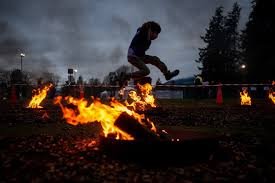
- Chaharshanbe Suri (چهارشنبهسوری): Celebrated on the last Wednesday evening before Nowruz, Chaharshanbe Suri involves jumping over bonfires while chanting “Zardi-ye man az to, Sorkhi-ye to az man” (My yellowness to you, your redness to me). This ritual is believed to ward off bad luck and illness.
- Visiting Family and Friends: Nowruz is a time for strengthening bonds with loved ones. It’s customary to visit family and friends, exchange gifts (often eggs decorated with paint), and share festive meals.
- Sizdah Bedar (سیزده بدر): Celebrated on the 13th day of Nowruz, Sizdah Bedar is a day spent outdoors, often in parks or nature. People picnic, play games, and throw away the sabzeh grown for Haft-Seen, symbolizing letting go of the past year’s misfortunes.
Nowruz Around the World
While originating in Persia (modern-day Iran), Nowruz is celebrated in various forms across a wide geographical area. In Afghanistan, it’s known as Nawroz, and in Tajikistan, it’s called Navruz. Different regions have their own unique customs and traditions, but the core themes of renewal, hope, and family remain consistent. The celebration has also gained popularity in recent years among diaspora communities in North America and Europe, fostering a sense of cultural identity and connection.
Embracing the Spirit of Nowruz
Nowruz is more than just a festival; it’s a philosophy of life. It reminds us of the cyclical nature of time, the importance of renewal, and the power of hope. Whether you’re of Persian heritage or simply curious about this ancient tradition, Nowruz offers a beautiful opportunity to embrace the spirit of spring and celebrate the promise of a brighter future.