Nowruz 1405: A Fresh Start & Ancient Traditions
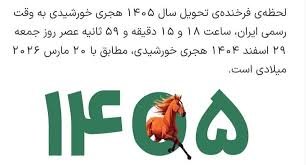
Nowruz, the Persian New Year, is a celebration steeped in history and brimming with hope for the future. Falling on the spring equinox, typically around March 20th or 21st, Nowruz marks a time of renewal, reflection, and joyous gatherings. As we approach Nowruz 1405 (the year 1405 in the Iranian calendar, corresponding to 2025/2026 in the Gregorian calendar), anticipation builds for a year filled with prosperity and happiness. This year, the focus is on embracing change and fostering stronger community bonds.
The History & Significance of Nowruz
Nowruz isn’t just a Persian tradition; it’s a celebration observed by millions across Iran, Afghanistan, Tajikistan, Uzbekistan, Azerbaijan, and other regions with significant Persian cultural influence. Its roots trace back over 3,000 years to Zoroastrianism, an ancient Iranian religion. The holiday symbolizes the triumph of good over evil and the rebirth of nature. The name ‘Nowruz’ itself translates to ‘New Day’ in Persian.
Key Traditions of Nowruz
- Haft-Seen: Perhaps the most iconic Nowruz tradition, the Haft-Seen table is a beautiful display of seven symbolic items starting with the letter ‘S’ in Persian. These typically include sabzeh (wheatgrass), samanu (sweet pudding), senjed (dried oleaster), sir (garlic), sib (apple), sumac (sumac spice), and serkeh (vinegar). Each item represents a different aspect of life – health, prosperity, love, patience, and more.
- Khaneh Tekani (Spring Cleaning): Before Nowruz, families engage in a thorough cleaning of their homes, symbolizing a fresh start and the removal of negativity.
- Chaharshanbe Suri (Fire Festival): Celebrated on the eve of the last Wednesday before Nowruz, Chaharshanbe Suri involves jumping over bonfires while chanting ‘Zardi-ye man az to, Sorkhi-ye to az man’ (My yellowness to you, your redness to me), symbolizing the exchange of sickness for health.
- Visiting Family & Friends: Nowruz is a time for strengthening family ties and visiting loved ones. Elders are often visited first, and children receive Eidi (New Year’s gift).
- Sizdah Bedar (Nature’s Day): On the 13th day of Nowruz, families head outdoors for a picnic, symbolizing a connection with nature and warding off bad luck.
Predictions & Astrological Significance for Nowruz 1405
While Nowruz is primarily a cultural celebration, astrology plays a role for many. Astrologers often offer predictions for the coming year based on the position of the sun at the moment of the equinox. For Nowruz 1405, early predictions suggest a year focused on economic stability and international cooperation. However, it’s important to remember these are interpretations and should be taken with a grain of salt. You can find more detailed astrological forecasts from reputable sources like [Astrology.com](https://www.astrology.com/).
Celebrating Nowruz 1405
Whether you’re of Persian heritage or simply curious about this beautiful tradition, Nowruz offers a wonderful opportunity to embrace new beginnings and celebrate the arrival of spring. Consider setting up a small Haft-Seen table, connecting with loved ones, and reflecting on your hopes for the year ahead. Nowruz Mobarak! (Happy Nowruz!).