A Maestro’s Response: Dudamel Calls Out Chalamet’s Dismissal of Opera and Ballet
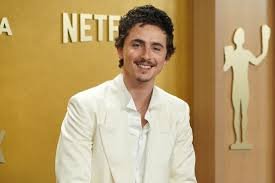
New York, NY – Celebrated conductor Gustavo Dudamel has publicly addressed recent comments made by Oscar-nominated actor Timothée Chalamet, who suggested that opera and ballet are art forms that “no one cares” about anymore. Dudamel, preparing for his debut season as music and artistic director of the New York Philharmonic, didn’t hold back in his assessment, labeling Chalamet’s statement as stemming from “a little bit of ignorance.”
Speaking at an event announcing the New York Philharmonic’s upcoming season programming at Lincoln Center, Dudamel emphasized the importance of expanding access to classical music and the arts. His remarks were met with enthusiastic applause from the audience, which included prominent figures from the music world, donors, and community leaders.
The Spark: Chalamet’s Comments and the Backlash
The controversy began during a conversation with Matthew McConaughey at a CNN and Variety town hall. Chalamet, while discussing the challenges facing the film industry, expressed a sentiment that resonated poorly with the arts community. He questioned the need to actively “keep ballet or opera alive,” implying a lack of public interest. He stated, “I don’t want to be working in ballet or opera or things where it’s like where it’s like, ‘Hey! Keep this thing alive,’ even though no one cares about this anymore.”
Chalamet’s comments quickly drew criticism online from arts organizations and enthusiasts alike. His remarks, made while promoting his film “Marty Supreme” (for which he received his third Academy Award nomination), were perceived as dismissive and disrespectful to the rich history and ongoing relevance of these art forms.
Dudamel’s Rebuttal: A Defense of Artistic Heritage
Dudamel countered Chalamet’s assertion with a powerful statement about the enduring value of music and the arts. “Everybody has the right to say, but you have to do things with knowledge, with facts,” he asserted. He further explained that cinema itself is a direct descendant of opera and music, highlighting the interconnectedness of artistic disciplines. “It’s very funny. Cinema is a result of opera, of music, of all of these kind of things.”
The New York Philharmonic’s CEO, Matías Tarnopolsky, chimed in with a public invitation to Chalamet, offering him a complimentary ticket to experience the orchestra firsthand. “He can sit with me anytime,” Tarnopolsky stated. “I’ll give him a free ticket and he’s invited to come and hear the New York Philharmonic.”
A Vision for the Future
Dudamel, 45, is widely regarded as one of the world’s most influential conductors. He is transitioning from the Los Angeles Philharmonic after a remarkable 17-year tenure to lead the New York orchestra. He playfully feigned unfamiliarity with Chalamet, prompting laughter from the audience, before delivering a firm message: “That way of thinking has to end.”
He concluded by emphasizing the regenerative power of music and its ability to foster empathy and understanding. “Music is reborn all the time and it brings us the values of empathy through the beauty of what it is. So this is the reality of music. This is the real dimension of music and we need that more for our young people.”
This exchange underscores a crucial debate about the role of the arts in contemporary society and the importance of fostering appreciation for cultural heritage among younger generations. The incident also highlights the power of prominent figures to shape public perception and the responsibility that comes with that influence.
Further Reading:
- The New York Times – For ongoing coverage of the arts and culture.
- The Kennedy Center – A leading arts institution dedicated to performance and education.