Meteor Showers: A Guide to the Year’s Best Celestial Displays
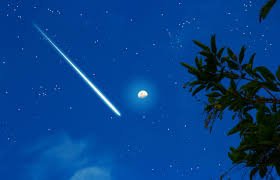
There’s something truly awe-inspiring about watching a meteor shower. These fleeting streaks of light across the night sky have captivated humanity for centuries, inspiring myths, legends, and a sense of wonder. But what *are* meteor showers, and how can you best experience this incredible natural phenomenon? This guide will provide you with everything you need to know to make the most of upcoming meteor showers.
What Causes Meteor Showers?
Meteor showers occur when the Earth passes through streams of debris left behind by comets or, less commonly, asteroids. These debris particles, called meteoroids, enter Earth’s atmosphere at high speeds and burn up, creating the bright streaks of light we call meteors – often referred to as “shooting stars.” The radiant point, the area of the sky from which the meteors appear to originate, gives each shower its name (e.g., the Perseids appear to radiate from the constellation Perseus). Understanding this process helps appreciate the predictable nature of many meteor showers.
Key Meteor Showers to Watch For in 2024
- Quadrantids (January): Often overlooked due to cold weather, this shower can produce a high rate of meteors, but the peak is very short.
- Lyrids (April): A moderate shower with a peak around April 22nd.
- Perseids (August): Arguably the most popular meteor shower, known for its high frequency of meteors and warm summer nights. The Perseids are debris from the comet Swift-Tuttle. [Learn more about the Perseids from the American Meteor Society](https://www.amsmeteors.org/meteor-showers/perseids/).
- Orionids (October): Produced by debris from Halley’s Comet, offering a good show with fast-moving meteors.
- Geminids (December): A reliable and often spectacular shower, peaking around December 14th.
Tips for Optimal Meteor Shower Viewing
To maximize your meteor-watching experience, follow these tips:
- Find a Dark Location: Get away from city lights as much as possible. Light pollution significantly reduces visibility.
- Check the Moon Phase: A bright moon can wash out fainter meteors. New moon phases are ideal.
- Allow Your Eyes to Adjust: It takes about 20-30 minutes for your eyes to fully adapt to the darkness. Avoid looking at your phone or other bright lights.
- Dress Warmly: Even in summer, nights can get chilly.
- Be Patient: Meteor showers are unpredictable. It may take time to see a significant number of meteors.
- Bring a Comfortable Chair or Blanket: You’ll be looking up for a while!
Resources for Tracking Meteor Showers
Several websites provide detailed information about upcoming meteor showers, including predicted rates, radiant points, and visibility maps. Here are a few helpful resources:
- [EarthSky](https://earthsky.org/meteor-showers/)
- [Space.com](https://www.space.com/meteor-showers)
- [American Meteor Society](https://www.amsmeteors.org/)
Don’t miss the opportunity to witness the breathtaking beauty of a meteor shower. With a little planning and patience, you can enjoy one of nature’s most spectacular displays.