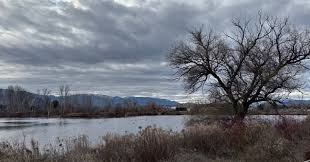
Kelowna, British Columbia, nestled in the heart of the Okanagan Valley, is renowned for its stunning scenery, vibrant wine culture, and, of course, its incredible weather. But what exactly can you expect from Kelowna’s climate? This comprehensive guide will provide you with everything you need to know about Kelowna weather, from seasonal averages to tips for making the most of your visit, no matter the forecast.
Understanding Kelowna’s Climate
Kelowna enjoys a semi-arid climate, characterized by hot, dry summers and mild, relatively dry winters. This is due to its location in the Okanagan Valley, which is sheltered by surrounding mountains. This unique geography creates a ‘pocket’ of warmer temperatures and less precipitation than many other parts of British Columbia. The city benefits from over 2,000 hours of sunshine annually, making it one of the sunniest places in Canada. Understanding this basic climate pattern is key to planning any activity in the region.
Kelowna Weather: A Seasonal Breakdown
Spring (March – May)
Spring in Kelowna is a beautiful time of year, as the landscape comes alive with blossoming fruit trees. Temperatures gradually warm up, averaging between 8°C (46°F) and 18°C (64°F). While rainfall is moderate, it’s often interspersed with sunny days. This is a great time for hiking, biking, and exploring the wineries as they begin to bud. Be prepared for occasional late frosts, especially in March and early April.
Summer (June – August)
Kelowna summers are hot and dry, with average temperatures ranging from 22°C (72°F) to 28°C (82°F), and often exceeding 30°C (86°F). Sunshine is abundant, making it perfect for water sports on Okanagan Lake, exploring the numerous beaches, and enjoying outdoor festivals. Wildfire risk is a concern during the summer months, so it’s important to stay informed about any fire bans or air quality advisories. You can find current information from the BC Wildfire Service.
Autumn (September – November)
Autumn brings cooler temperatures and vibrant fall foliage to the Okanagan Valley. Average temperatures range from 8°C (46°F) to 18°C (64°F). The grape harvest is in full swing, making it a fantastic time to visit the wineries. Rainfall increases slightly, but there are still plenty of sunny days. This is a quieter season, offering a more relaxed experience.
Winter (December – February)
Kelowna winters are mild compared to other parts of Canada, with average temperatures ranging from -3°C (27°F) to 5°C (41°F). Snowfall is relatively light, but it does occur, especially in the higher elevations. Big White Ski Resort, located just a short drive from Kelowna, offers world-class skiing and snowboarding. The city also hosts various winter festivals and events. While not consistently snowy in the city itself, the surrounding mountains provide ample opportunities for winter sports. Check the Big White Ski Resort website for current conditions.
Tips for Enjoying Kelowna Weather
- Pack layers: Even in summer, evenings can be cool.
- Sun protection: The Okanagan sun is strong, so wear sunscreen, a hat, and sunglasses.
- Stay hydrated: Drink plenty of water, especially during the hot summer months.
- Check the forecast: Conditions can change quickly, so stay updated on the latest Kelowna weather report. A reliable source is The Weather Network.
- Be wildfire aware: During the summer, be mindful of fire risks and follow any fire bans or advisories.
Kelowna’s weather is a major draw for visitors and residents alike. With its sunny skies, warm summers, and mild winters, it’s a truly special place to experience the beauty of the Okanagan Valley. Whether you’re planning a summer vacation or a winter getaway, being prepared for the Kelowna weather will ensure you have a memorable experience.